Bahariya Oasis is a stunning desert oasis in Egypt, renowned for its natural beauty, archaeological sites, and therapeutic hot springs. It serves as a gateway to the captivating White Desert. This Oasis holds tremendous historical and cultural significance, making it a must-visit destination for travelers in Egypt. 

This blog post is designed explicitly for Egypt travelers interested in exploring unique and off-the-beaten-path destinations. The purpose is to provide a comprehensive guide to Bahariya Oasis, including its attractions, travel tips, and recommendations. Whether you’re an adventure seeker or a history enthusiast, this post will help you plan an unforgettable trip to this hidden gem of Egypt.

Exploring Bahariya Oasis

White Desert Safari

Bahariya Oasis is a beautiful desert oasis in the Western Desert of Egypt. Spanning over 2,000 square kilometers, it boasts breathtaking landscapes, lush palm groves, and crystal-clear natural springs. This Oasis has been inhabited for centuries and offers a unique blend of natural beauty and rich cultural heritage. Bahariya Oasis is a haven for nature lovers and history enthusiasts alike, from its golden dunes to its verdant gardens. 

A. Historical and cultural significance of Bahariya Oasis 

Bahariya Oasis holds immense historical and cultural importance in Egypt, and it was a vital stop along the ancient trade routes and served as a gateway to the Western Desert. The Oasis has been inhabited since prehistoric times and witnessed the rise and fall of various civilizations, including the Pharaohs, Romans, and Islamic dynasties. Its archaeological sites reveal fascinating remnants of these civilizations, offering insights into their lifestyles, beliefs, and artistic achievements. Bahariya Oasis is a living testament to Egypt’s rich past and an opportunity for travelers to immerse themselves in its captivating history. 

B. Top attractions and activities in Bahariya Oasis:

  1. Exploring the White Desert The White Desert is a surreal landscape of chalk-white rock formations shaped by wind erosion. It’s a photographer’s paradise, with stunning natural sculptures and otherworldly ambiance. Visitors can embark on guided tours or camping trips to witness the ethereal beauty of the desert, especially during sunrise and sunset. The stark contrast of the white rocks against the golden sand creates a truly unforgettable, mesmerizing sight. 
  2. Visiting the Museum of Golden Mummies The Museum of Golden Mummies is a fascinating attraction in Bahariya Oasis, showcasing a collection of well-preserved mummies discovered in the nearby Tombs of the Nobles. These mummies are unique due to their gilded masks and intricate burial wrappings. The museum provides valuable insights into the oasis dwellers’ burial practices, customs, and daily life during the Greco-Roman period. It’s a captivating journey into the past that allows visitors to connect with the people who once called Bahariya Oasis home. 
  3. Enjoying the hot springs and spas, Bahariya Oasis is renowned for its therapeutic hot springs and spas. These natural springs are rich in minerals and are believed to have healing properties. Travelers can relax and rejuvenate in the warm waters surrounded by the serene desert landscape. Whether it’s soaking in the pools, indulging in spa treatments, or enjoying a mud bath, the hot springs offer a tranquil escape from the hustle and bustle of everyday life. It’s a perfect opportunity to unwind and pamper yourself amidst the natural wonders of the Oasis. 
  4. Discovering ancient ruins and tombs, Bahariya Oasis is dotted with ancient ruins and tombs that offer glimpses into the past civilizations that once flourished here. One notable site is the Valley of the Golden Mummies, where hundreds of mummies were found. Exploring the tombs of the Oasis’s nobles provides a deeper understanding of their lives and beliefs. Additionally, the Temple of Alexander the Great and the Temple of Ain El-Muftella are must-visit attractions that showcase the architectural prowess of ancient Egypt. These archaeological treasures allow travelers to unravel the mysteries of Bahariya Oasis’s past. 

Planning Your Trip to Bahariya Oasis

Egypt Desert

A. Best time to visit Bahariya Oasis

The best time to visit Bahariya Oasis is during the cooler months, from October to April, when outdoor activities are more comfortable. The days are warm and sunny during this period, while the nights are pleasantly cool. It’s essential to avoid the scorching summer months when temperatures can soar to extreme levels. By visiting during the optimal time, you’ll be able to fully enjoy the outdoor attractions and make the most of your experience in Bahariya Oasis. 

B. How to reach Bahariya Oasis:

  1. Transportation options from Cairo Several transportation options are available from Cairo to Bahariya Oasis. The most convenient and standard method is to take a private car or hire a driver. The journey takes approximately 4-5 hours, depending on the traffic and road conditions. Another option is to take a public bus, which operates daily from Cairo to Bahariya Oasis. The bus ride takes around 6-7 hours but provides a more budget-friendly option for travelers. It’s advisable to check the bus schedules in advance and book your tickets accordingly. 
  2. Hiring a local guide or joining a tour Hiring a local guide or joining a tour is highly recommended when visiting Bahariya Oasis. A knowledgeable guide will enhance your experience by providing insights into the Oasis’s history, culture, and natural wonders. They can navigate the intricate desert trails, ensuring your safety and helping you discover hidden gems that might be off the beaten path. Joining a guided tour also offers the convenience of pre-planned itineraries, transportation arrangements, and accommodation bookings. Whether you prefer a private guide or a group tour, their expertise will enrich your journey and make your visit to Bahariya Oasis more enjoyable. 

Conclusion

Bahariya Oasis offers a captivating blend of natural beauty and rich history. From exploring the surreal landscapes of the White Desert to discovering ancient ruins and tombs, there is something for every traveler. The Museum of Golden Mummies provides a glimpse into the past, while the hot springs offer relaxation and rejuvenation. Whether you’re a history enthusiast or an adventure seeker, Bahariya Oasis promises a memorable experience filled with awe-inspiring sights and cultural treasures.

Are you ready for an extraordinary adventure? Plan your trip to Bahariya Oasis and immerse yourself in the breathtaking landscapes, ancient wonders, and warm hospitality. Whether witnessing the magical sunset in the White Desert or soaking in the therapeutic hot springs, Bahariya Oasis offers a truly unforgettable experience. Takes the chance to explore this hidden gem of Egypt. Pack your bags, embark on a journey, and create lifelong memories in Bahariya Oasis. Start planning your trip today, and let the beauty of this Oasis captivate your senses. 

Going on a trip through the mysterious land of Egypt is like putting together the pieces of a fascinating old story. Egypt vacation packages are a magical mix of history, culture, and excitement, designed to make every tourist want to see more of the world. Imagine yourself standing in awe before the grand pyramids of Giza, feeling the weight of history on your shoulders as you walk through the timeless temples of Luxor or sailing along the calm waters of the Nile, letting the ancient ruins tell you their stories. With each step, you’ll learn more about the pharaohs, see the colorful weave of Egyptian life, and learn about a world beyond time. Let the creativity of Egypt’s past and the kindness of its people lead you on a fantastic journey, where the sands of the desert echo with sounds of ancient times, and every moment becomes a painting painted with shades of wonder and awe. Take advantage of Egypt day tours and let your mind run wild among the ancient wonders of this great country.
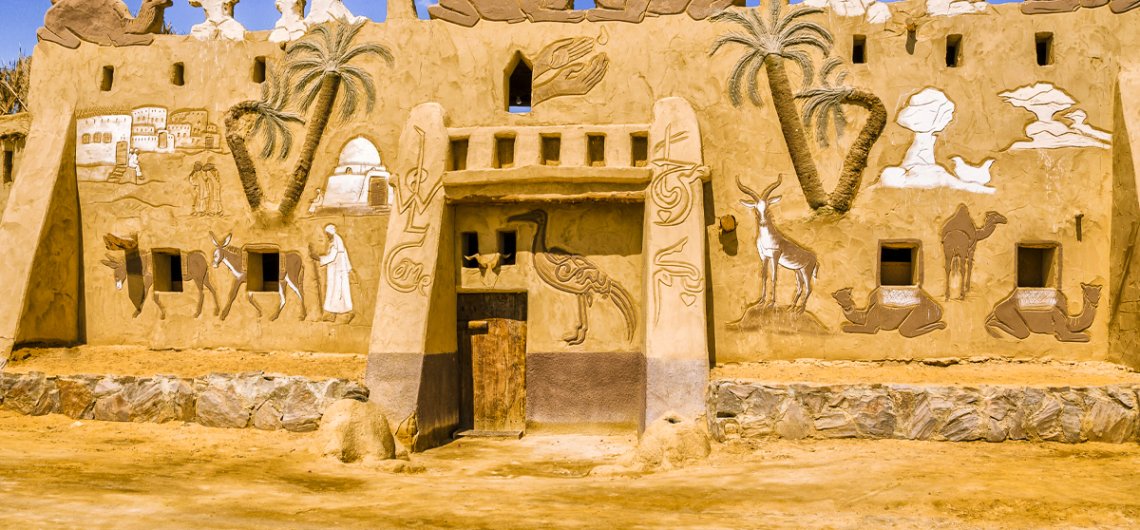
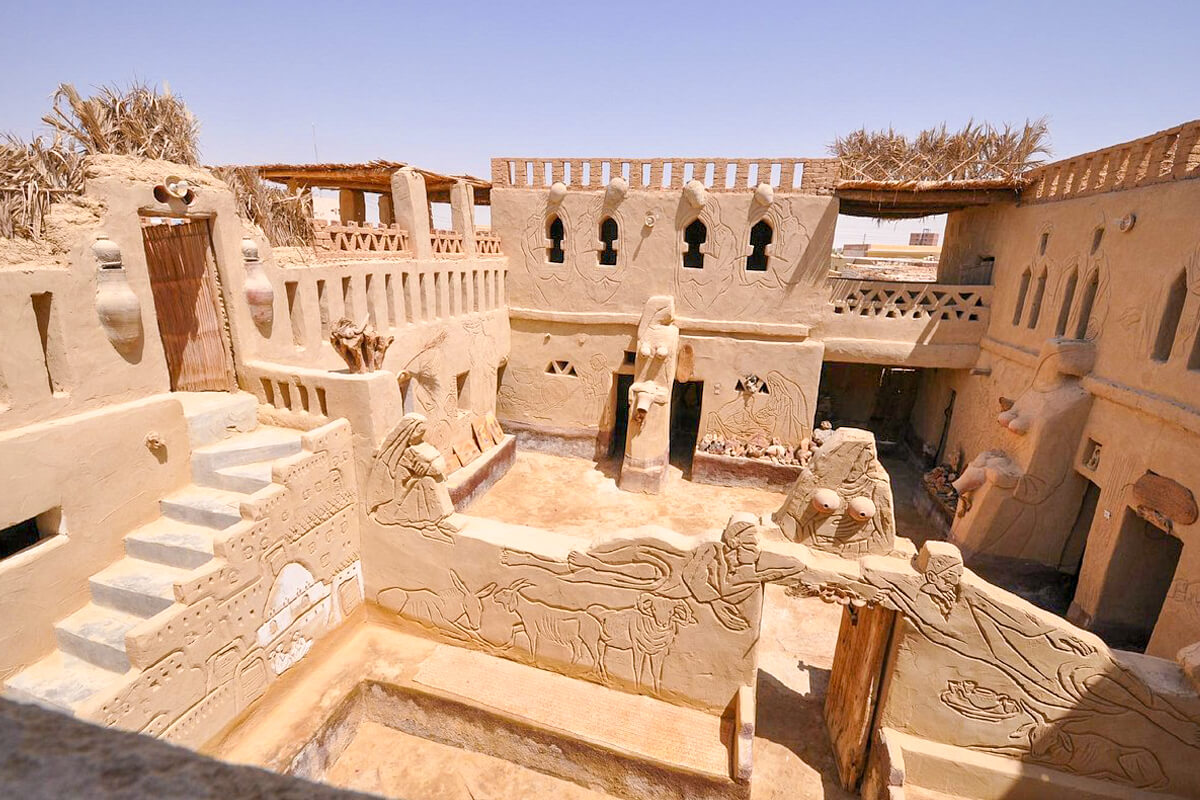
The Badr Museum holds immense significance for Egypt travelers. As the country’s premier cultural institution, it showcases Egypt’s history, art, and heritage. Whether you’re an avid history enthusiast, an art lover, or simply curious about Egypt’s past, the Badr Museum offers an immersive journey through time.

From ancient artifacts to contemporary masterpieces, the museum’s diverse collection encapsulates the essence of Egypt’s cultural heritage. Visitors can delve into the depths of Egypt’s civilization, gaining a profound understanding of its glorious past and vibrant present.

This blog post aims to guide and inform travelers about the Badr Museum in Farafra oasis. We aim to provide a comprehensive overview, practical tips, and helpful recommendations to ensure a rewarding visit. Whether planning a trip to Egypt or already exploring the region, this blog post will serve as your trusted companion, offering valuable insights and insider knowledge to make the most of your experience at the Badr Museum.

Historical Background of the Museum

The Badr Museum, named after renowned Egyptian artist Mahmoud Said Badr, was established in 1999 to preserve and promote Egypt’s cultural heritage. It is a tribute to Mahmoud Said’s artistic legacy and his dedication to showcasing the beauty and diversity of Egyptian art.

Key Features and Exhibits of the Museum

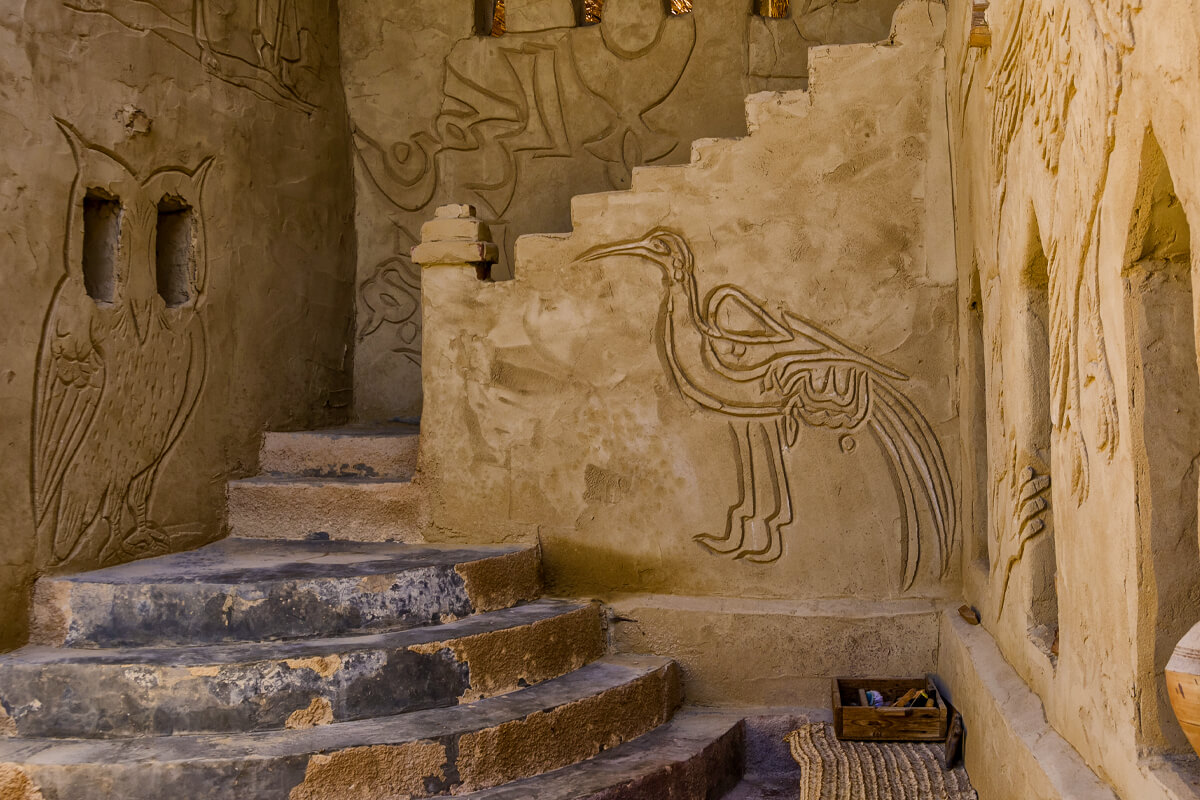
Badr Museum from inside

The Badr Museum boasts a remarkable collection of art and artifacts spanning various periods of Egypt’s history. Here are some of the critical features and exhibits that make the museum a must-visit destination:

  1. Ancient Egyptian Artifacts: Step into the world of the pharaohs as you explore the collection of ancient Egyptian artifacts. Marvel at intricately carved statues, exquisite jewelry, and hieroglyphic tablets that glimpse ancient Egypt’s daily life, religious beliefs, and grandeur.
  2. Mahmoud Said’s Masterpieces: As the museum’s namesake, Mahmoud Said’s works take center stage. Discover the evocative paintings that made him one of Egypt’s most celebrated artists. His vivid portrayals of Egyptian landscapes, historical events, and everyday scenes showcase his exceptional talent and deep connection to his homeland.
  3. Contemporary Egyptian Art: The Badr Museum also showcases contemporary Egyptian art, giving visitors a glimpse into present-day Egypt’s vibrant and dynamic art scene. From paintings to sculptures, installations to mixed media works, this section highlights the diverse artistic expressions of modern Egyptian artists.
  4. Temporary Exhibitions: The museum regularly hosts temporary exhibitions that delve into specific themes or showcase the works of renowned artists worldwide. These exhibits offer fresh perspectives and unique artistic experiences, adding an element of excitement and discovery to each visit.

The Badr Museum’s exhibits are thoughtfully curated and offer informative displays with detailed descriptions and historical context. Audio guides and guided tours are available to enhance your understanding and appreciation of the artwork on display.

Planning Your Visit to the Badr Museum

A. Best Time to Visit and Seasonal Considerations

The Badr Museum welcomes visitors throughout the year, but certain seasons may offer a more enjoyable experience. The best time to visit is during the shoulder seasons of spring (March to May) and autumn (September to November) when the weather in [city] is mild and pleasant. The summer can be hot, so be prepared for higher temperatures if you visit.

B. Admission Fees and Ticketing Information

Visitors must purchase an admission ticket to enter the Badr Museum. The fees vary depending on age and residency status. It’s advisable to check the official website or contact the museum in advance to obtain accurate and up-to-date information regarding admission fees.

Some museums may offer discounted rates for students, seniors, or groups, so it’s worth inquiring about any available discounts to make the most of your visit.

Exploring the Badr Museum

Badr Museum from the inside

A. Layout and Organization of the Museum

The Badr Museum is designed to provide a seamless and engaging visitor experience. The layout follows a logical and organized structure, guiding visitors through different sections and galleries. Clear signage and maps are available throughout the museum, ensuring easy navigation.

The museum’s architecture blends modern design and traditional elements, creating a harmonious environment for art appreciation. Spacious halls, well-lit galleries, and strategically placed seating areas offer a comfortable and inviting atmosphere for visitors to explore at their own pace.

B. Major Sections and Galleries to Explore

  1. Ancient Egypt Gallery: Immerse yourself in the captivating world of ancient Egypt in this dedicated gallery. Admire statues of pharaohs, marvel at intricate hieroglyphics, and learn about this ancient civilization’s fascinating rituals and beliefs.
  2. Mahmoud Said Collection: This section showcases the iconic works of Mahmoud Said, providing insight into his artistic journey and the cultural and historical themes he explored. From his famous “The Whirling Dervishes” to “The Family Portrait,” each painting tells a story of Egypt’s heritage and identity.
  3. Contemporary Art Wing: Step into the vibrant world of contemporary Egyptian art. This gallery displays works by emerging and established artists, reflecting modern Egyptian society’s diverse artistic expressions and themes. Experience the innovative techniques, thought-provoking installations, and powerful visual narratives that define contemporary art in Egypt.
  4. Temporary Exhibitions: The Badr Museum often hosts temporary exhibitions that showcase specific themes, artistic movements, or international artists. These exhibitions offer fresh perspectives and introduce visitors to new artistic trends and cultural dialogues.

C. Noteworthy Artifacts and Exhibits to See

While every artwork and exhibit at the Badr Museum has its significance, some notable pieces should not be missed:

  1. “The Whisper of Ancient Egypt”: A captivating sculpture that beautifully captures the essence of ancient Egypt, depicting a pharaoh in a moment of reflection and contemplation.
  2. “The Nile at Sunset”: One of Mahmoud Said’s most celebrated paintings, showcasing his mastery of capturing the play of light and colors. The painting depicts the serene beauty of the Nile River at sunset, evoking a sense of tranquility and nostalgia.
  3. “Contemporary Perspectives”: A rotating exhibit featuring works by emerging Egyptian artists, providing a glimpse into the evolving art scene and the diverse voices shaping contemporary art in Egypt.

These are just a few examples of the remarkable artifacts and exhibits that await you at the Badr Museum. Each visit offers the opportunity to discover new favorites and appreciates the beauty and cultural significance of the displayed artworks.

Conclusion

The Badr Museum is a cultural treasure in Egypt, dedicated to preserving and showcasing the country’s rich heritage. Throughout this blog post, we have explored its historical background, highlighted its significance for Egypt travelers, and delved into the key features and exhibits that make it a must-visit destination.

From ancient Egyptian artifacts to the iconic works of Mahmoud Said, the museum’s diverse collection offers a comprehensive journey through Egypt’s history, art, and culture. Its well-designed layout, organized sections, and engaging exhibits create a memorable experience for visitors of all backgrounds and interests.

If you’re planning a trip to Egypt, the Badr Museum should undoubtedly be on your itinerary. It’s vast collection and immersive displays provide a unique opportunity to connect with the rich cultural heritage of Egypt. Whether you’re an art enthusiast, a history buff, or simply curious about Egypt’s past, the museum offers a captivating and educational experience.

With our amazing Egypt vacation packages and exciting day tours in Egypt, you can go on a fantastic journey through the sands of time. Get ready to be charmed by the mysterious charm of this old land. Imagine standing in awe before the huge pyramids of Giza, taking in the beauty of Luxor’s ancient temples, and cruising down the famous Nile River while learning about Egypt’s mysterious past. Our carefully designed packages include a mix of exploring, having fun, and relaxing, so every moment of your trip to Egypt will be truly memorable. Each day’s tour promises an exciting meeting with history, art, and culture, led by knowledgeable guides who bring the past to life with their knowledge and passion. From the ancient treasures of Cairo to the peaceful beauty of Aswan, our tours are made to show you the best of Egypt and give you memories that will last a lifetime. Get ready to learn the secrets of this amazing place, where old wonders are hidden around every corner. Your trip to Egypt starts here.

The Agabat Valley is a captivating destination nestled in the heart of Egypt, offering a remarkable blend of natural beauty and adventure. Situated in the eastern part of Egypt’s Western Desert, this valley is a hidden gem waiting to be explored. With its awe-inspiring landscapes, towering dunes, and unique rock formations, the Agabat Valley attracts travelers worldwide.

Egypt travelers are drawn to the Agabat Valley for its pristine beauty, tranquility, and opportunities for thrilling outdoor activities. Whether you’re an avid hiker, a photography enthusiast, or simply seeking a peaceful retreat amidst nature, the Agabat Valley has something to offer everyone.

This guide aims to give Egypt travelers a comprehensive overview of the Agabat Valley, including its geographical features, top attractions, cultural significance, and essential travel tips. Prepare to embark on an unforgettable journey through the Agabat Valley and discover its hidden treasures.

Geographical location and climate of the Agabat Valley

Located in the Eastern part of Egypt’s Western Desert, the Agabat Valley is nestled between the towering dunes of the Great Sand Sea. It lies approximately 170 kilometers southwest of Bahariya, making it easily accessible for Egypt travelers seeking a unique desert experience. The valley stretches about 150 square kilometers, offering vast pristine desert landscapes.

The climate in the Agabat Valley is characterized by hot and dry conditions, typical of desert regions. Summers can be scorching, with temperatures soaring above 40 degrees Celsius, while winters are relatively mild, with daytime temperatures ranging between 20 and 25 degrees Celsius. It is advisable to plan your visit during the cooler months from November to February to avoid extreme heat.

Unique features and landscapes of the Agabat Valley

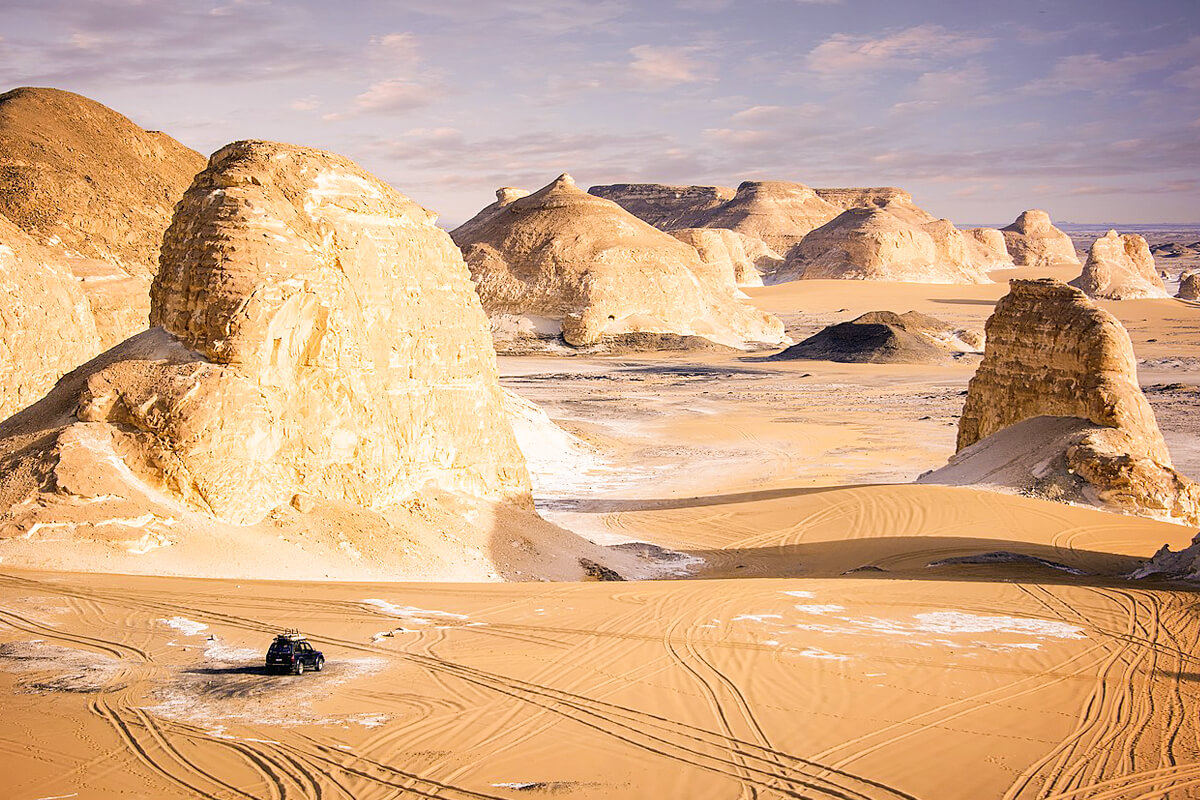
Safari and camping in Agbat Valley

The Agabat Valley boasts a mesmerizing array of unique features and landscapes, making it a visual wonderland. The valley is renowned for its massive dunes, some reaching heights of up to 150 meters. These pristine golden dunes form intricate patterns that change with the shifting winds, creating a surreal and ever-changing desert environment.

One of the distinctive features of the Agabat Valley is its striking rock formations. These towering monoliths, sculpted by centuries of wind erosion, present a stunning contrast against the soft dunes. From mushroom-shaped rocks to natural arches and jagged cliffs, the rock formations in the Agabat Valley offer a photographer’s paradise and a playground for adventurous explorers.

Flora and fauna diversity in the Agabat Valley

Despite the harsh desert conditions, the Agabat Valley has a surprising diversity of flora and fauna. Vegetation is sparse but resilient, with hardy desert plants like acacias, tamarisks, and ephemeral wildflowers dotting the landscape. These resilient plants have adapted to the arid environment, showcasing their vibrant colors during the short rainy seasons.

A variety of wildlife species also inhabits the Agabat Valley. Reptiles like the sand monitor lizard and the Egyptian cobra can be spotted. At the same time, mammals such as desert foxes, hedgehogs, and jerboas have adapted to survive in this harsh desert environment. Bird enthusiasts will be delighted to encounter species like the Egyptian vulture, Barbary falcon, and several migratory birds that pass through the valley.

Exploring the Agabat Valley

Best time to visit the Agabat Valley

When planning your visit to the Agabat Valley, it’s crucial to consider the best time to ensure a comfortable and enjoyable experience. The optimal time to explore the valley is during the cooler months, from November to February. During this period, temperatures are more moderate, ranging between 20 and 25 degrees Celsius during the day, making outdoor activities more pleasant.

How to reach the Agabat Valley

Jeep safari in Agbat Valley

Reaching the Agabat Valley requires some planning, but the journey is well worth it. Here are the main transportation options to consider:

  1. The most common way to reach the Agabat Valley is by road. Starting from Bahariya, you can hire a 4×4 vehicle or join a guided tour that will take you through the desert to the valley. The drive usually takes 3-4 hours, depending on road conditions and the chosen route.
  2. By organized tour: Another convenient option is joining an organized tour specializing in desert exploration. These tours typically depart from Cairo or Bahariya and provide transportation, accommodations, and guided activities throughout the Agabat Valley.
  3. By private vehicle: If you have a sturdy vehicle suitable for off-road driving, you can embark on a self-drive adventure to the Agabat Valley. However, it’s important to note that desert driving requires experience and adequate preparation, including navigation tools, extra fuel, and essential supplies.

Dune hiking and sandboarding adventures

The towering dunes of the Agabat Valley provide the perfect playground for dune hiking and sandboarding enthusiasts. Embark on a thrilling hike up the soft slopes of the dunes and be rewarded with panoramic views of the surrounding desert. For the adventurous at heart, try sandboarding down the dunes, gliding across the silky sand for an adrenaline-pumping experience.

Tips for dune hiking and sandboarding:

  • Wear comfortable and lightweight clothing suitable for the desert environment.
  • Protect yourself from the sun with a hat, sunglasses, and sunscreen.
  • Stay hydrated by carrying an ample supply of water.
  • Bring proper equipment for sandboarding, such as a sandboard or sled.

Photography opportunities in the Agabat Valley

The Agabat Valley is a paradise for photography enthusiasts, offering breathtaking vistas and unique landscapes. Capture the golden hues of the dunes at sunrise or sunset when the soft light bathes the valley in a warm glow. Take advantage of iconic spots such as the Mushroom Rock or the majestic natural arches for stunning compositions. The dunes’ ever-changing patterns and the rocks’ contrasting textures provide endless opportunities for creative photography.

Rock formations and natural wonders to explore

The wonderful Agbat Valley

The Agabat Valley is adorned with fascinating rock formations that the forces of nature have sculpted over time. Explore notable formations like the Dragon’s Head or the Camel Rock, each with a distinctive shape and charm. Marvel at the intricate details and geological wonders as you venture through the valley, discovering hidden caves and ancient fossilized remains.

Wildlife spotting and birdwatching in the Agabat Valley

The Agabat Valley is not only a haven for stunning landscapes but also a habitat for diverse wildlife. Watch for the elusive desert foxes as they dart across the sand, or spot the agile jerboas leaping through the dunes. Birdwatchers will delight in observing various species, including the Egyptian vulture and the Barbary falcon, which call the valley home or use as a migration stopover.

If you’re seeking an adventure in the heart of Egypt’s Western Desert, the Agabat Valley should be at the top of your list. Start planning your visit now to immerse yourself in the beauty and allure of this hidden gem. Research the best time to visit, consider transportation options, and explore tour operators or guides who can enhance your experience. Remember to pack essentials for desert exploration, including sun protection and adequate water supplies. Prepare your camera to capture the mesmerizing landscapes and prepare for thrilling adventures amidst the dunes. The Agabat Valley awaits, ready to enchant and inspire you with its natural wonders. Embark on this unforgettable journey and create memories that will last a lifetime.

With our intriguing Egypt vacation packages, you can embark on an incredible adventure to the country of ancient wonders and timeless marvels. Immerse yourself in the intriguing air of the pyramids, where massive monuments whisper stories of long-gone pharaohs and empires. Discover the mysteries of Luxor’s towering temples, where history unfolds like a hypnotic tapestry in Egypt day tours. Cruise down the magical Nile, succumbing to its peaceful embrace as you pass the breathtaking scenery that has inspired innumerable fairy tales. Explore Egypt’s unique tapestry of culture, lively marketplaces, and tempting cuisines that entice your senses. Allow us to tailor your voyage, weaving together the threads of exploration, wonder, and discovery as you create everlasting memories that will enrich the tapestry of your spirit for the rest of your life. Egypt is waiting to capture your heart and inspire your creativity.

The White Desert, located in Egypt, is an awe-inspiring natural wonder that has captured the imagination of travelers from around the world. Situated in the western part of the country, this desert marvel stands out with its striking white rock formations, sculpted by centuries of wind erosion. Its ethereal landscape is truly a sight, resembling a snow-covered wonderland amid the arid desert.

Visitors to the White Desert are captivated by the natural beauty surrounding them. The stark white rocks contrast against the azure sky, creating a picturesque backdrop for exploration and adventure. This enchanting landscape offers a glimpse into the extraordinary power of nature and a chance to immerse oneself in a truly unforgettable experience.

Things to See and Do in the White Desert 

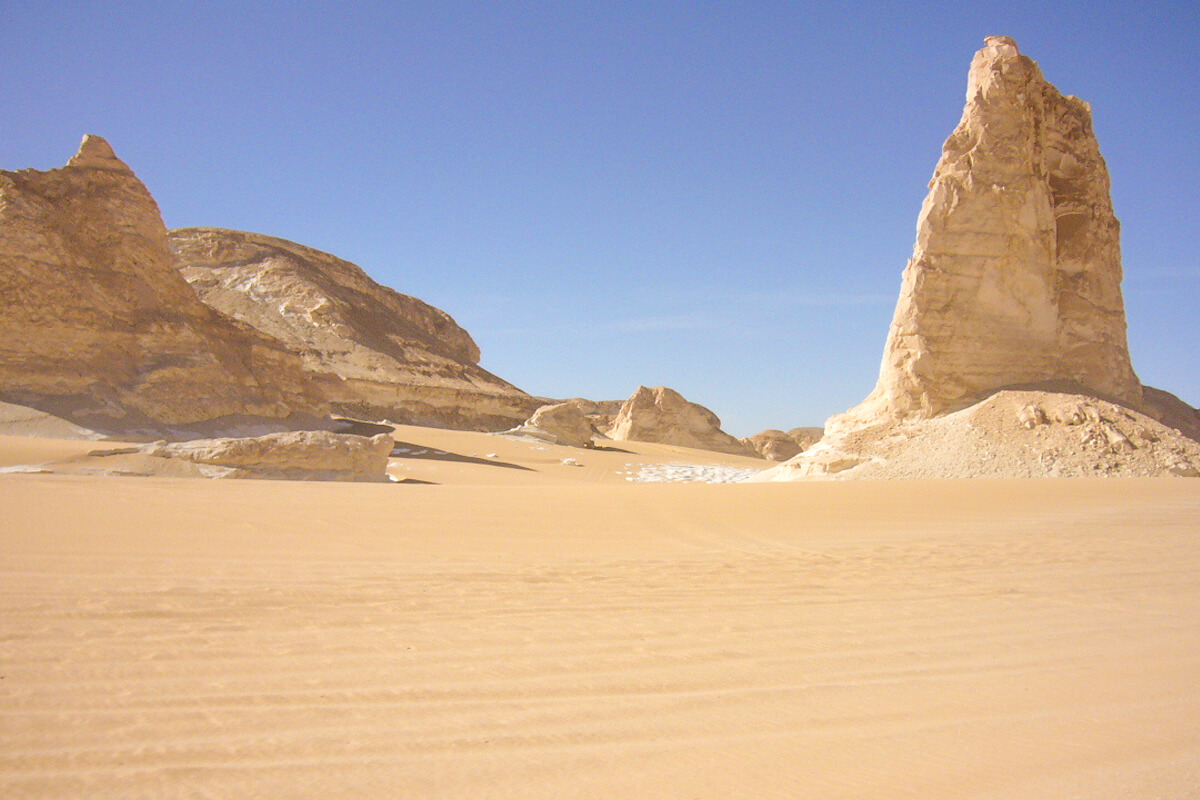
picture of the white dunes of the White Desert

  1. Marveling at the White Desert’s Iconic Rock Formations The White Desert is renowned for its breathtaking rock formations that have been sculpted by the winds over centuries. Stroll through this enchanting landscape and marvel at the unique shapes and structures that dot the desert. The most famous rock formation, Mushroom Rock, resembles a giant mushroom rising from the ground. Other buildings, such as the Sphinx and the Chicken, will ignite your imagination and leave you in awe of nature’s artistic abilities. Remember to capture these incredible sights with your camera as a memento of your visit.
  2. Exploring the Crystal Mountain and Other Natural Wonders One of the highlights of the White Desert is the Crystal Mountain, a natural marvel that glistens under the sunlight. This mountain is composed of quartz crystals that have formed over millions of years, creating a sparkling spectacle that is truly mesmerizing. Explore the area around Crystal Mountain and discover other hidden gems, such as fossilized seashells and ancient marine remnants, which are fascinating reminders of the desert’s past. Remember to treat these natural wonders with respect and refrain from taking any souvenirs, as preservation is crucial to maintaining the beauty of the White Desert.
  3. Experiencing a Desert Safari and Camping Under the Stars To truly immerse yourself in the magic of the White Desert, embark on a desert safari adventure. Hop on a 4×4 vehicle and traverse the vast expanse of the desert, guided by experienced local drivers who know the terrain like the back of their hand. As the sun begins to set, find a suitable spot to set up camp and witness the breathtaking transition of colors across the sky. The desert sky comes alive with millions of twinkling stars as darkness falls, offering a mesmerizing spectacle. Enjoy a traditional Bedouin dinner, listen to local folklore around the campfire, and let the serenity of the desert engulf you.
  4. Engaging in Adventurous Activities like Sandboarding or Hiking For adrenaline seekers, the White Desert offers a range of adventurous activities. Strap on a sandboard and glide down the soft slopes of the dunes, feeling the rush of adrenaline as you conquer the sandy peaks. Hiking enthusiasts can embark on treks through the desert, exploring its vastness and discovering hidden corners. As you venture deeper into the desert, you’ll encounter remote oases and ancient ruins that unveil the region’s rich history. Remember the challenging terrain and ensure you have proper guidance and equipment for a safe and enjoyable experience.

Cultural Significance of the White Desert 

Egypts White Desert

Brief Historical Background and Cultural Significance

The White Desert holds a rich historical and cultural significance in Egypt. Throughout history, the desert has served as a vital route for trade caravans, connecting Egypt to other regions. It has witnessed the passage of ancient civilizations and played a significant role in shaping the area’s cultural heritage.

The desert holds a special place in the hearts of the Bedouin tribes who have inhabited the region for generations. The Bedouin people have a deep connection to the land and possess invaluable knowledge of its resources, survival techniques, and traditional practices. Their nomadic lifestyle has been intertwined with the desert for centuries, fostering a unique cultural identity that reflects the harmony between humans and nature.

Highlighting Local Traditions and Customs Related to the White Desert 

Visiting the White Desert provides an opportunity to experience the customs and traditions of the Bedouin people. These hospitable and resilient communities welcome visitors, offering a glimpse into their way of life.

One of the unique customs is the preparation of traditional Bedouin tea, a warm and aromatic beverage that symbolizes hospitality. Sit with the Bedouin around a campfire, savor the flavors of the tea, and engage in conversations that unravel stories of their ancestors and the desert’s history.

The Bedouins are also known for their intricate handicrafts, including woven rugs, pottery, and jewelry. Take the time to explore local markets or visit their settlements to witness the artistry and craftsmanship passed down through generations.

Respecting local customs and traditions is essential when visiting the White Desert. Dressing modestly and abiding by the region’s cultural norms is customary. Seeking permission before taking photographs of the Bedouin people or their belongings is a gesture of respect.

Getting to the White Desert

snapshot of some white dunes in the form of animals in the white desert

Transportation Options to White Desert

Getting to the White Desert requires careful planning, as it is located in a remote area of Egypt. Here are some transportation options to consider:

  • Buses: Public buses are available from major cities like Cairo to nearby towns such as Bahariya or Farafra. From there, you can arrange local transportation or join organized tours to reach the White Desert.
  • Private Tours: Opting for a private tour offers convenience and flexibility. Many tour operators directly provide transportation to the White Desert from Cairo or other cities. This ensures a hassle-free journey with knowledgeable guides who can enhance your experience with insightful information.

The Best Time to Visit White Desert

Choosing the right time to visit the White Desert can significantly impact your experience. Here are some recommendations:

  • Spring (March to May) and Autumn (September to November): These seasons offer pleasant temperatures, making exploring the White Desert ideal. The weather is mild, and the desert landscape comes alive with colorful blooms during spring.
  • Winter (December to February): Although the desert can be chilly during this time, it presents a unique charm. The cool temperatures are more comfortable for outdoor activities, and the clear skies provide excellent stargazing opportunities.
  • Summer (June to August): Summer brings scorching temperatures to the desert, reaching extreme highs. It is advisable to avoid visiting during this time, as it can be uncomfortable and potentially dangerous due to heat-related issues.

Plan and check weather forecasts before embarking on your journey to make the most of your visit. Pack appropriate clothing, sunscreen, and ample water to stay hydrated throughout your trip.

In conclusion, the White Desert in Egypt is a mesmerizing destination that captivates travelers with its unique beauty and cultural significance. With its iconic rock formations, such as the Mushroom Rock, and the sparkling Crystal Mountain, the White Desert offers a surreal and awe-inspiring experience.

Whether you’re a nature enthusiast, a thrill-seeker, or seek serenity in a unique environment, the White Desert promises an unforgettable adventure. Immerse yourself in its beauty, embrace the local culture, and create memories that will last a lifetime in this enchanting desert landscape.

Our carefully crafted Egypt vacation packages offer the perfect blend of adventure, relaxation, and cultural immersion. Sail along the tranquil waters of the Nile River on a luxurious cruise, tracing the footsteps of ancient explorers and discovering hidden treasures along the riverbanks. Explore the vibrant markets of Cairo, where the aroma of exotic spices fills the air and the vibrant colors of handcrafted treasures dazzle your senses.

For those seeking a shorter but no less enchanting experience, our Egypt day tours offer a glimpse into the magnificence. Uncover the secrets of the Valley of the Kings as you descend into the tombs of pharaohs, or witness the majestic beauty of Abu Simbel’s colossal statues standing guard over the desert.

Guided by passionate Egyptologists, our tours and packages ensure that every step of your journey is filled with awe and wonder. Immerse yourself in the rich tapestry of Egyptian history and culture as our expert guides bring ancient stories to life with their captivating narratives.

Kharga Oasis is a hidden gem in the heart of Egypt’s Western Desert. It is the country’s largest and most populated oasis, offering a unique blend of history, natural beauty, and cultural experiences. With its lush palm groves, ancient ruins, and captivating landscapes, Kharga Oasis is a paradise to explore.

For Egypt travelers, Kharga Oasis holds great importance as it provides a refreshing break from bustling cities and popular tourist destinations. It offers a chance to immerse oneself in the tranquil ambiance of the desert, discover ancient archaeological sites, interact with friendly locals, and experience authentic Egyptian culture.

The purpose of this blog post is to guide and inspire Egypt, travelers to visit Kharga Oasis. By providing a comprehensive overview of its attractions, history, activities, and travel tips, this blog post aims to help readers plan a memorable and rewarding trip to Kharga Oasis. Whether you’re seeking adventure, relaxation, or cultural immersion, Kharga Oasis has something for everyone. Get ready to embark on an unforgettable journey through this enchanting oasis.

Exploring the History of Kharga Oasis

A. Origins and Ancient Civilizations in Kharga Oasis

  1. Influence of Pharaohs and Ancient Egypt: Kharga Oasis has a rich historical heritage dating back to ancient times. It played a significant role during the reign of the Pharaohs, who recognized its strategic location and utilized its resources. The oasis served as an important trade route and a vital source of agricultural produce.
  2. Roman and Christian Periods: During the Roman era, Kharga Oasis thrived as a major Roman military outpost and a center of commerce. It witnessed the construction of fortresses, temples, and settlements. With the spread of Christianity, Kharga Oasis became a refuge for early Christian communities, leaving behind fascinating traces of their presence.

B. Notable Archaeological Sites in Kharga Oasis

  1. El Bagawat Necropolis: El Bagawat Necropolis is a beautiful ancient cemetery located in Kharga Oasis. It contains numerous mud-brick tombs and intricately decorated mausoleums dating back to the 3rd century AD. These tombs provide insights into the funerary practices and beliefs of the early Christian community.
  2. Temple of Hibis: The Temple of Hibis is an exceptionally well-preserved ancient Egyptian temple dedicated to the god Amun. It dates back to the 6th century BC and showcases intricate carvings and hieroglyphics. Exploring this temple offers a glimpse into ancient Egypt’s spiritual and architectural prowess.
  3. Al-Kharga Museum: Al-Kharga Museum is a treasure trove of artifacts and relics discovered in Kharga Oasis and its surrounding areas. It houses a remarkable collection of ancient pottery, statues, jewelry, and mummified remains. The museum provides visitors with a comprehensive understanding of the oasis’s history and cultural heritage.

C. Historical Significance and Cultural Heritage of Kharga Oasis

One of the temples of Kharga Oasis hibis

Kharga Oasis holds immense historical significance and boasts a diverse cultural heritage. Its strategic location along ancient trade routes contributed to its economic prosperity and cultural exchange. The oasis has witnessed the rise and fall of empires, leaving behind a rich tapestry of civilizations.

The blend of Pharaonic, Roman, and early Christian influences is evident in the architecture, art, and traditions of Kharga Oasis. The oasis served as a melting pot of cultures, fostering a unique cultural identity shaped by the interaction of various civilizations throughout history.

Exploring Kharga Oasis allows travelers to delve into the layers of history and immerse themselves in the ancient world. It provides an opportunity to witness the remarkable endurance of human civilization against the harsh desert backdrop. By preserving and showcasing its historical treasures, Kharga Oasis ensures that future generations can appreciate and learn from its fascinating past.

Geographical Features of Kharga Oasis

A. Location and Size of Kharga Oasis

Kharga Oasis is situated in the Western Desert of Egypt, approximately 500 kilometers southwest of Cairo. It is the largest oasis in Egypt, spanning an area of about 2,000 square kilometers. Nestled between the eastern and western escarpments, Kharga Oasis is surrounded by vast expanses of desert, creating a secluded and serene environment.

B. Climate and Weather Conditions

  1. Best Time to Visit Kharga Oasis: Kharga Oasis experiences a desert climate characterized by hot and arid conditions. The best time to visit is winter, from November to March, when temperatures are more moderate. Daytime temperatures during this period range from 20 to 25 degrees Celsius (68 to 77 degrees Fahrenheit), offering comfortable conditions for exploration. It is advisable to avoid visiting during the scorching summer months, as temperatures can soar above 40 degrees Celsius (104 degrees Fahrenheit).
  2. It’s important to note that nighttime temperatures in the desert can drop significantly, so it is recommended to pack warm clothing for evenings and early mornings, even during winter.
  3. Additionally, consider checking local weather forecasts and consult with tour operators or travel agencies to ensure a pleasant and safe experience during your visit to Kharga Oasis.

The geographical features of Kharga Oasis, along with its favorable climate during the winter season, create an ideal environment for travelers to explore its natural beauty and historical sites comfortably.

Getting to Kharga Oasis

A. Transportation Options

Getting to Kharga Oasis requires careful planning and consideration of transportation options. Here are some common ways to reach this enchanting oasis:

  1. Road Travel: If you prefer a more adventurous route, you can travel to Kharga Oasis. The journey from Cairo takes around 8-10 hours, depending on the route and traffic conditions. Hiring a private car or using a reputable car rental service is recommended. The roads are well-maintained, and you can enjoy the scenic landscapes.
  2. Bus Services: Another cost-effective option is to travel by bus. Several bus companies offer regular services from Cairo to Kharga Oasis. The journey typically takes 10-12 hours, and the buses have comfortable seating and air conditioning. Booking your bus tickets in advance to secure your seat is advisable.

Essential Travel Tips for Kharga Oasis

Kharga oases

A. Packing Essentials for a Desert Trip

  1. Sun Protection: Pack sunscreen with a high SPF, sunglasses, and a wide-brimmed hat to protect yourself from the intense desert sun.
  2. Lightweight Clothing: Choose light and breathable clothing, such as cotton or linen, to stay comfortable in the desert heat. Long-sleeved shirts and pants can provide additional protection from the sun.
  3. Scarves or Head Coverings: It’s advisable to carry scarves or head coverings to shield your face and neck from the sun and dust.
  4. Comfortable Footwear: Opt for sturdy and comfortable shoes for walking on sandy terrain. Closed-toe shoes or hiking sandals are recommended.
  5. Water and Snacks: Carry an adequate water supply to stay hydrated throughout your trip. Additionally, pack energy bars or snacks for quick replenishment.

B. Safety Precautions and Health Considerations

  1. Stay Hydrated: Drink plenty of water to prevent dehydration. Be mindful of the desert climate and the increased risk of heatstroke or heat exhaustion.
  2. Protect Yourself from the Sun: Apply sunscreen regularly, wear protective clothing, and seek shade during the hottest parts of the day.
  3. Navigation and Communication: Have a map or GPS device handy for navigation. Ensure your mobile phone is fully charged and have emergency contact numbers saved.
  4. Desert Wildlife and Insects: Be cautious of desert wildlife like scorpions or snakes. Please wear closed-toe shoes and shake out shoes or clothing before wearing them. Apply insect repellent to protect against mosquitoes.
  5. Medical Supplies: Carry a basic first aid kit with essential supplies. If you have any pre-existing medical conditions, ensure you have an adequate supply of medications and inform your travel companions about your situation.

C. Cultural Etiquette and Respecting Local Customs

  1. Dress Modestly: When visiting local communities or religious sites, dress modestly out of respect for local customs and traditions. Cover your shoulders and knees, and avoid wearing revealing clothing.
  2. Photography Etiquette: Always seek permission before taking photographs of people or religious sites. Some areas may have restrictions on photography.
  3. Respectful Behavior: Respect local customs, traditions, and social norms. Use polite language, and ask for permission before entering private or restricted areas.
  4. Environmental Conservation: Help preserve the natural beauty of Kharga Oasis by avoiding littering and respecting the environment. Carry a reusable water bottle and avoid single-use plastics.

For Egypt travelers, Kharga Oasis offers a refreshing and unique experience. It provides a peaceful respite from bustling cities and popular tourist destinations, allowing visitors to immerse themselves in the tranquility and authenticity of the desert. Kharga Oasis is a hidden gem that showcases a different facet of Egypt’s cultural tapestry, where ancient civilizations intertwine with the beauty of nature. Travelers can enjoy a blend of history, adventure, relaxation, and cultural immersion, all within the enchanting setting of Kharga Oasis.

If you’re seeking an off-the-beaten-path adventure, Kharga Oasis should be at the top of your travel list. With its friendly and welcoming locals, awe-inspiring historical sites, and breathtaking desert landscapes, Kharga Oasis promises an unforgettable journey. Venture into the heart of the Western Desert, uncover hidden treasures, and create lasting memories. Embrace the allure of Kharga Oasis and let its unique charm and serenity captivate your soul.

Start planning your trip to Kharga Oasis today and discover the beauty and wonders that await you in this remarkable oasis. Get ready to embark on a journey of exploration and immerse yourself in the captivating history and natural splendor of Kharga Oasis.

Unveil the treasures of ancient Egypt with our captivating day tours and vacation packages. Immerse yourself in the wonders of this majestic land, where millennia of history and captivating myths come to life. Walk in the footsteps of pharaohs, marvel at the grandeur of the pyramids, sail the timeless Nile River, and unravel the mysteries of iconic temples. Our carefully curated itineraries blend history, culture, and adventure, ensuring an unforgettable journey through the sands of time. Let Egypt’s mesmerizing landscapes and timeless charm captivate your senses as you embark on a voyage of a lifetime.