The Red Sea in Egypt is famous for scuba diving because the weather is nice, the water is clear, and there are beautiful reefs to see anytime. You can get the most out of scuba diving in the Red Sea Egypt. Trustworthy dive shops will be happy to give you information about scuba diving and set up courses, daily tours, and live-aboard trips to almost any location, such as the towering coral formations of Taba and the sheer walls of Ras Mohammed, the sunken ships of Sha’ab Abu Nuhas, and the uninhabited offshore islands of The Brothers and Zabargad.

Egypt calls the Red Sea the “Garden of Allah” because of all the different kinds of sea life.

You can spend one day in egypt, check out in Egypt day tours

Scuba diving in the red sea egypt
The Scuba diving in Red Sea has some of the best conditions for scuba diving. The water temperature ranges from 18 to 26 degrees Celsius all year, and there are amazing underwater landscapes, such as spectacular walls and shipwrecks, over 1,000 species of fish, and sunny, pleasant weather. Egypt’s Red Sea is in the middle of Africa (18–40 degrees Celsius).

With the help of our detailed dive site maps, you can get an idea of the different places in the Red Sea where scuba diving is possible. Because of all these things, it shouldn’t be surprising that scuba diving in the Red Sea is famous for vacationers. Anyone, from an eight-year-old to an active grandma, can try diving and have fun doing it. Diving is a sport that people of all ages and levels of skill can do.
At its narrowest point, the width of the Red Sea is about 350 km. The Red Sea is a vast body of water (220 miles). It is surrounded on the north by the Gulfs of Suez and Aqaba and on the south by the Bab el-Mandeb Strait, several hundred meters deep. Some think the name Mare Rostrum, which means “the Red Region,” came from the red bauxite mountains surrounding the water. There’s no doubt that these mountains contribute to the unique environment of the sea. About 25 million years ago, it came into being when Africa and the Arabian Peninsula broke apart.

The wreck of the SS Thistlegorm in Ras Muhammad:

The SS Thistlegorm Wreck is considered by many to be the best wreck dive that has ever happened. The sunk SS Thistlegorm can be found in the area of the Strait of Gubal, which is north of the Red Sea. During World War II, this ship sank during a battle. It was a British transport ship that was 128 meters long and was sunk by German planes in 1941.

One of the most exciting things about diving at the SS Thistlegorm Wreck is finding valuables. There are two locomotives, two tanks, several army trucks, jeeps, motorbikes, boots, boxes of guns, and various airplane and car parts. In addition, there are two sets of tanks and two locomotives. It’s like opening up a time capsule when you do that! You must do at least two dives to see everything on this shipwreck. If wreck diving is your thing, you won’t find a better place than this one. Getting into the hold regions and getting the many items stored there is possible. On board, the ship is the anti-aircraft cannon that has not been taken off.

Scuba Diving in Red Sea
The wreck of the SS Thistlegorm is 30 meters deep in the water. When we talk about depths, we’re talking about a range from 32 meters at the prop to just 16 meters at the shallowest point. Divers should be warned that there may be strong currents at this spot. Even though it is usually easy to see, there is still a chance that silt in the water caused by the winds and tides will make it hard to see. Divers who want to check out the motorbikes, trucks, armored vehicles, firearms, and other cargo can enter the hold upright.

Scuba Diving in the Blue Hole, Red Sea:

The Blue Hole is a fantastic place to go diving. It is on the eastern side of Sinai, not too far from Dahab, which is on the coast of the Red Sea.

The blue hole is a cave with a 130-meter-wide, 130-meter-deep basin filled with water. It is shaped like a crater. It is split into two parts. The first, called the “saddle,” is a 6-meter-deep tunnel that goes straight into the water. The second called the “arch,” is a deeper tunnel that goes to the surface and is 60 meters long. Even though it is entirely underwater, it looks like a small street and is in the middle of the coral reefs. Divers can walk or swim a short distance from the beach to get there quickly and easily. Divers are familiar with this area because it has a lot of fish and other sea life, as well as beautiful coral structures.

The Blue Hole in Dahab is a must-see for any scuba diver. It has been called “the most beautiful and terrifying diving tunnel in the world” and “the witch of divers.”
Divers from all over the world go to the Egyptian city of Dahab, on the coast of the Red Sea, to take on the dangerous Blue Hole. Because many divers have died there, the Blue Hole is also known as the Garden of Bones.

Scuba Diving in The Red Sea
Divers come from all over the world to the Blue Hole because, according to urban legend, it was made when a comet hit Earth a long time ago, causing the hole to form and some of the most beautiful coral reefs and marine life to grow there.

The Blue Hole is known as “the cemetery of divers” because, over the past 15 years, about 130 scuba divers have gone missing while trying to explore it. Because of this, the Blue Hole has gone from being “the most beautiful place to dive” to “the most dangerous.” In the area of the Blue Hole, there is a collection of items with the names of the early pioneers of deep diving who have since died (Dave Shaw, Cheek Exley, and many others).

Divers come from all over the world to the Blue Hole, even though it is dangerous because it has so much aquatic life, such as beautiful coral reefs, fan-shaped fish, colorful fish, beautiful eels, and dozens upon dozens of species of fish that breed there and are lovely. A tunnel connected to the sea called the arch encourages divers to explore and search within it to discover the mystery surrounding it. The Blue Hole also attracts divers because The second place is out at sea, where many explorers have died even though they only wanted to learn more about the world and have fun with the unknown.

So that people can dive here safely, they need to bring a full tank of air or breathing gases and a guide who knows the hole.

Shark Reef and Yolanda Reef:

Most people scuba dive in Shark Reef and Yolanda Reef, both in Ras Mohammed National Park. Ras Mohammed (Mohammed’s point; in Arabic, Ras means “headland”) is known for two coral pillars with a diameter of about 40 meters each. They are called “Shark” and “Yolanda” Reef, and a third, smaller one is called “Satellite.” They rise from a sandy terrace 10-15 meters below the surface and are called “The Saddle.” The smallest of the three coral reefs is Satellite Reef.

Between the reefs and the coast is a beautiful coral garden surrounded by alcyonarians. The outer walls of the two main coral pillars drop sharply from the surface to more than 800 meters below, making a beautiful seascape that makes divers feel like they are floating in the air.

Scuba Diving in the red sea egypt
Anemone City is a beautiful coral terrace where turtles often hang out. Divers will find Anemone City a great place to start their dive if the weather is good. They can “jump into the blue” and swim across the open sea to get to the other side of the Shark Reef. Only this way will get you there. As you keep flying over Shark Reef, the place’s imposing shape comes into view suddenly.
Divers then head toward Yolanda, following vast schools of pelagic fish, a few sharks, and countless reef fish of all sizes, colors, and behaviors as they swim along the reef to the right and the blue to the left.
Divers often return to the saddle between Yolanda and Satellite when they are done with their dive. This is done to remember the cargo ship that ran aground here and gave the reef its name. You can add some down-to-earth humor to your underwater selfies by using one of the hundreds of porcelain urinals that have been kept in such good shape.

El Gouna Scuba Diving:

El Gouna on the Red Sea Riviera is the best place to go on vacation for scuba divers and people who like other water sports. Divers just starting will find that the warm pools and calm coral reefs are the perfect places to get their feet wet. Experts say that the coral reefs, coral reefs, and sunken ships in El Gouna are some of the most beautiful things you can see in the Red Sea. Because of this, you’ll remember your scuba diving experience as one of the best times of your life.

Even though El Gouna is not in any of the Red Sea reserves, it has a strong and long-standing approach to conservation. For example, investors from resorts and dive shops put money into the Shamandoura project. A system has been in place for a long time, limiting the number of people visiting popular scuba diving sites.
El Gouna is different from other places because it has beautiful coral reef gardens and is a calm place to snorkel. But the area also has many exciting landing spots for scuba divers with more experience. Nearby, the beautiful circular and moon-shaped reef in El Gouna called the Dolphin House is home to a pod of bottlenose dolphins all the time.
The coral reefs in El Gouna are pretty far from the coast, so the only way to get there is by yacht. For families and groups of friends who don’t want to go diving, a day on a boat is a unique and unforgettable experience. This is because most places divers go are also good places to snorkel.

Ras abo Galum:

Abu Galum Reserve, South Sinai.

The Bedouins named the reserve after the rare plant Qaloum because it is used to heal wounds in the area. The area has 165 endangered plant species, and 44, such as Qaloum, live in reserves.
From Al-Bulhol, near Dahab, you can walk or ride a camel for 7 kilometers along a narrow path between the mountain and the sea to get to the reserve. You can also take a four-wheel drive vehicle through the mountain valleys near Nuweiba. The hills of the account are close to the coast of the Gulf of Aqaba, which makes for a very different environment.
Because the reserve is in a remote place, marine life and coral reefs have been allowed to stay as they are. Since this is the case, snorkeling, and scuba diving are excellent.

The Canyon:

scuba divig in the red sea egypt

People say this canyon is one of the best places to dive in the Dahab area.
Before you go down about 18 meters, you won’t be able to tell that the place is a crack in the ground.
Divers who don’t have an advanced or Star 2 certification can’t go into this canyon.
Even though the first depth is closer to thirty meters, it is only eighteen meters deep at the entrance to the famous canyon.
The canyon has two main entrances, which are 18 meters deep. There are also two essential exit points, one 48 meters deep and the other 55 meters profound.
When you go there for your first dive, you’ll be amazed as you go to depths you’ve never been to. From where you are in the clear air, you can see that the darkness below has been broken up to show considerable depth.
But if you free fall from 18 meters to 30 meters and let yourself fall like you’re using a parachute, it is one of the most enjoyable and satisfying dives you can do.

: The underwater museum in Dahab, South Sinai

The Lighthouse is a special place for scuba divers to dive in Dahab. Also, it is an excellent place for beginning divers of any skill level to practice their skills and get used to being in the water. When you dive into the ocean from the sandy area that leads to the large grassy slope, you can see fish, marine animals, and coral reefs that can only be seen in Dahab. You will also be able to see coral reefs only found in Dahab.
In Dahab’s Lighthouse neighborhood, the monuments are one of the things that stand out the most. They are made of materials that are safe for the sea environment, and this is one of the things that sets the Lighthouse neighborhood apart.
You can now see five one-of-a-kind sculptures at the Museum of the Deep. Each of these statues was made by hand with materials that are safe for the marine ecosystem and allow coral reefs to grow on top of them.

the Scuba diving in the red sea egypt
In the Egyptian city of Dahab, scuba divers have opened a museum under the surface of the Red Sea. To save the world’s coral reefs, divers have made an underwater museum by putting statues of eco-friendly materials on the ocean floor.
The I-Dive Tribe has been working on this for a while, and in the end, they are the ones who will be held accountable for its success. This group comprises scuba divers from different backgrounds who love the ocean and all the living things there. They work hard to protect coral reefs and other marine life in the Red Sea, where people can go scuba diving for fun.
This effort’s primary goal is to ensure that coral reefs stay alive. In an article in the Egypt Independent, the museum’s founder, Abdel Rahman el-Mekkawi, was discussed. He said, “We can see it when we dive in the Red Sea; there are a lot of dead reefs.”
It has been proven that diving beyond the recommended limits can hurt coral reefs.
Some statues were made with steel tubes with open ends, making holes in them possible. Coral reefs and other small marine life can hide from larger predators in these holes. This was done as a part of a project to encourage the growth of new coral reefs, which was the project’s primary goal.

Three Pools Dahab:

Divers can enter and exit the sea at one of three sandy pools connected by coral saddles. Beyond the third pool is where you’ll find a sandy alley lined with brain corals, pipe corals, and salad corals; if you look closely, you could even spot a tiny resident Napoleon fish hiding out in its crevices. If you proceed through the tunnel, you will eventually reach a coral garden with rocky outcroppings. The appearance of a turtle in the area is not uncommon. Near the end of the dive, you can see a shallow area where sand and coral blocks compete for the sun, resulting in excellent red details. This spot could be found in the middle of the reef. Octopuses are adept at disguising themselves everywhere, making it possible for divers with a keen vision to discover crocodile fish and scorpionfish hidden in the sand.

Diving in Abu Helal – Abu Talha,Dahab:

South of Abu Talha is the crescent-shaped reef known as Ras Abu Helal. People also sometimes call it “Little Canyon.” The coral reefs of Abu Helal and Abu Talha are in great shape because you can’t get to them unless the tide is high. Dives can be technical or for fun, depending on what the diver wants to do. The reef helps to make a protected lagoon with a maximum depth of 12 meters. From a slope that runs along the bay’s northern coast, you can see a small bay you can see as you leave. This part of Dahab is popular with scuba divers because it is close to one of the city’s most beautiful coral gardens near where the ridge starts. A little further along this ridge is a canyon dive about 30–40 meters deeper. Due to the long distance between where the dive ends and where it begins, it is recommended that only experienced divers go on this dive. Divers usually swim to a depth of about 10 meters, wait until they find a small crack, and then dive down. This is done so they can use less air and spend less time on the bottom. Due to its strange turns, Little Canyon is only accessible to technical divers with the proper training. The sheer number of different kinds of sea life and the beauty of the soft and hard corals are unique. The reef is home to many types of fish, such as lionfish, wrasse, triggerfish, unicorns, wrasse, and triggerfish. It’s also not unusual for a sea turtle to show up occasionally.
From Dahab, located to the north, it takes about 17 minutes to get to Abu Talha by jeep. It is hard to get to the reef from the sandy bottom because the reef table slopes away from the beach, making many holes. The depths of these holes vary. It would help if you didn’t go down until you’ve gone over the shallow saddle unless you are a diver who has already reached neutral buoyancy while swimming through the shallows. When the scuba diver finally makes it to the surface, they will see a beautiful coral shaft shaped like a theater. In the middle, the hard coral drops off to a depth of 50 meters, and there is a sinkhole 25 meters to the left. Technical divers will like the deeper hole at the end of the “small canyon” that starts in Abu Helal. They will also have a good time exploring this area. As you move to the left, the coral gets more spread out, and you can see sand and table corals among them. A school of red-toothed triggerfish also lives in this area. Rays and nudibranchs are also found here. Before you return to the boat, take your time and swim slowly around the reef wall at a depth of 10 to 15 meters to look at the hard and soft corals and maybe see a turtle or schools of yellow-tail barracuda. This needs to be done before you leave.

Diving in Marsa Alam :

Marsa Alam, on the coast of the Red Sea in Egypt, is a popular place for scuba divers because the water is always warm, and there is a lot of different marine life there. The Samadai Reef and the Elphinstone Reef are the most popular places to scuba dive near Marsa Alam.
Divers at Marsa Alam might see glass-nosed dolphins, spinner dolphins, sea turtles, and the dugong, which is very rare and in danger of going extinct. Divers at the world-famous “Phinstone Reef” may see white sharks or hammerheads, which are rare, engaging, and hard to see otherwise. At the “Phinstone Reef,” divers might see hammerheads or white sharks.
There is a lot of pelagic fish here, like tuna and barracuda. If you visit this place in May or June, you might see a whale shark or one of those beautiful manta rays. Here, you can see a wide range of sharks, from the stunningly beautiful Silvertip Shark to the more common Grey Reef Shark (from May to August)
The dive sites in the area are great for beginners, while the rest of Marsa Alam’s dive sites are better for more experienced divers. If you want to take the best underwater photos in this city, you must snorkel because the water is clear and there is so much marine life.
Marsa Alam’s beaches are suitable for snorkeling, but Abu Dabab Bay, Kahramana Beach, and Dolphin House Reef are the best places to go. At Abu Dabab Bay, you can see coral and a lot of exciting sea life. At Kahramana Beach and Dolphin House Reef, you can swim with dolphins.

Sharm El Sheikh:

Sharm el-Sheikh or Hurghada could be the place where the trip starts. Some of the best-known dive sites in the world are in the Red Sea, and both were important to diving tourism’s growth more than twenty years ago.

In the waters around Sharm el Sheikh, you might see hard and soft corals, dolphins, sea turtles, manta rays, eels, Napoleon wrasse, tuna, hammerheads, barracuda, reef sharks, and sea sharks.
Along with the rest of Egypt, the area around Sharm el-coastal Sheikh is subject to strict rules, and the city’s infrastructure and services are built to meet strict environmental standards. The best diving in the area is in one of Sharm El Sheikh’s three natural reserves, Ras Mohamed, Tiran, or Nabq. Since 1983, non-governmental organizations (NGOs) and governments, including the European Community, have worked together to protect marine life. Practices currently in place include frequent reviews and changes to ensure the reserve follows all laws and regulations.
Divers often leave Sharm el-Sheikh for long diving cruises, also called safari yachts or safari diving. If you take a yacht from Sharm el-Sheikh to the world-famous diving spots in the Strait of Global, you can visit the cemetery of the lost ship “Abu Nahas” or the wreck of the Thistlegorm, which is the most famous shipwreck in the Red Sea. In the Strait of Global, you can find both of these places.

Diving in Soma Bay:

Soma Bay is a great place to take young people scuba diving because it has luxury resorts, long stretches of soft sand beach, and a beautiful coral reef right next to the bay. Even if you and your family don’t do scuba diving, you can be sure that they will be treated like royalty by the excellent services the resort offers while you enjoy the beautiful marine life in the area. From the northern point of Safaga Bay, you can see the beautiful ocean and mountains surrounding Soma Bay. In the southwest, a large sandy beach with shallow water is excellent for swimming and diving.

The long pier in front of the Sheraton gives access to one of the most beautiful fringing reefs in the area. It is near the headland called Ras Abu Soma, which is to the east and northeast. All of the marine life in Soma Bay and many other places in Egypt is protected, and the diving centers in the area follow strict environmental laws. Since 1995, local governments, non-governmental organizations (NGOs), and international organizations like USAID have worked to save marine species native to the region. There are mooring buoys at every diving spot, which are regularly taken care of.

Diving in El Quseir, Egypt:

El Quseir, Egypt, is home to a city that has been continuously inhabited for at least the past five thousand years. This city is located on the Red Sea between Hurghada and Marsa Alam. The Marsa Alam International Airport is the primary airport that is situated the most convenient, and it can be reached by car in less than 50 miles (80 kilometers). Despite the city’s relatively modest size, El Quseir is home to a thriving diving industry. As a result of the relative ease of shore diving in El Quseir, this location is an excellent choice for novice divers. Beach dives are a lot of fun in El Quseir, and divers of all ability levels can participate. Traveling to remote coastal locations, you can enjoy some of the best scuba diving in the world from the comfort of a zodiac. Due to the absence of secure moorings, there is a restriction on rigid boat diving; nonetheless, there are a few spots that can be accessible by boat and beach. In the south and the north of El Quseir, one can observe lengthy fringing reefs running parallel to the shoreline. Underwater, the terrain comprises coral labyrinths, blind alleyways, and pinnacles covered in coral and rising from sandy slopes. When the various coastal regions are contrasted, it is clear that each one possesses distinct advantages. Taba

Don’t miss to check out our All-inclusive egypt vacation packages. If you want to cruise through Nile River check out Egypt Nile River cruises

Egypt is a country that is renowned for its rich historical past, cultural diversity, and unique natural beauty. It is a land of mystical wonder with something to offer every traveler. However, for diving enthusiasts worldwide, Egypt is like a dream destination. The country boasts some of the most stunning marine life and coral reefs worldwide, making it a popular hub for divers from all corners. This blog post will explore diving in Egypt and what makes it a unique and thrilling experience for divers of all levels.

The Red Sea coast of Egypt is known for having some of the world’s most biodiverse reefs, home to various amazing marine life, including colorful fish, turtles, and other sea creatures. The clear waters and favorable diving conditions allow divers to explore these beautiful underwater worlds nearby. The warm waters teeming with life in Egypt offer year-round diving opportunities, making it an excellent destination for those looking to escape the winter season in their home countries.

Diving in Egypt is also crucial for the economy, contributing significantly to tourism and creating jobs for local communities in coastal regions. Tourists visit and dive in Egypt to help sustain the environment and support efforts to protect delicate marine ecosystems.

The main purpose of this blog post is to explore the world of diving in Egypt, delving into the range of experiences and activities for divers of all levels. From exploring the Ras Mohammed National Park to diving at the world-famous Elphinstone Reef, there is much to see and do in Egypt. This post aims to give readers a glimpse into this fascinating world, offering insights into the many diving sites throughout the country. Whether you are an experienced diver or just starting, Egypt will amaze and delight you with its underwater wonders, and this blog post aims to be your guide to getting the most out of your diving experience.

What to Expect from reef diving in Egypt

Egypt is a dream destination for divers, with its stunning coral reefs teeming with marine life, crystal-clear waters, and dramatic wrecks. Among the many diving experiences offered in Egypt, reef diving is undoubtedly one of the most popular. The Red Sea is home to some of the world’s most impressive coral reefs, which offer divers a chance to explore brilliantly colored fish, sea turtles, rays, and more. Among the best reefs in Egypt are Ras Mohammed National Park, where the coral formations are breathtaking, and Tiran Island, famous for its stunning underwater walls.

While exploring the reefs, divers can expect to see various marine life in Egypt’s Red Sea, including over 1,000 fish species. Some fish frequently spotted include parrotfish, angelfish, pufferfish, and moray eels. Spotting larger species, such as sharks, dolphins, and sea turtles, is common. Each location in Egypt offers its unique underwater landscape, and divers can expect to see different flora and fauna in other areas.

Another popular diving experience in Egypt is wreck diving. The Red Sea is rich in shipwrecks, many of which remain intact and in excellent condition. Some of Egypt’s most famous wreck sites include the SS Thistlegorm and Dunraven wrecks. The SS Thistlegorm is one of the most popular sites for explorers carrying the remains of military equipment from the Second World War. The Dunraven wreck, on the other hand, is an 1876 shipwreck that was run aground on the reef at Shadwan Island.

With diving sites such as vibrant coral reefs and historic shipwrecks, it’s easy to see why Egypt is one of the world’s top destinations for diving. Whether you’re a seasoned diver or a newbie, there’s something for everyone here. The Red Sea’s crystal-clear waters, rich biodiversity, and impressive landscapes make it an ideal place to explore the underwater world. So why not take the plunge and discover the beauty of Egypt’s underwater reefs, wrecks, and more today?

Egypt’s Best Dive Spots: Unforgettable Underwater Adventures

Sharm El Sheikh

Diving in Egypt
Thistlegorm diving spot in Sharm El Sheikh

Sharm El Sheikh is a premier diving destination in Egypt. With crystal clear waters and abundant marine life, it is no wonder that this destination attracts divers worldwide. For those ready to take the plunge, here are some of the top dive sites in Sharm El Sheikh.

1. Ras Mohammed: This marine park is home to some of the most stunning underwater terrain in the world. From coral gardens to steep walls and wrecks, there is something here for divers of all skill levels. The abundance of marine life here is astounding, with over 220 fish species and hundreds of coral species to discover.

2. The Straits of Tiran: Known for its strong currents and challenging diving conditions, this site is not for the faint of heart; however, the rewards are worth it. Here, divers can spot large schools of barracuda, several species of shark, and even the occasional manta ray.

3. Thistlegorm: One of the most famous wrecks in the world, the Thistlegorm is a must-visit for any diving enthusiast. This British ship was sunk during World War II and now serves as an artificial reef. Divers can explore its cargo of trucks, motorcycles, and ammunition and see firsthand the history beneath the waves.

The best time to visit Sharm El Sheikh for diving is between March and May and October to November. The water temperature during these months is comfortable, ranging from 23-28°C, and visibility in the water is excellent. If you want to avoid crowds, consider visiting during the off-peak season from June to September when the prices are lower and there are fewer tourists. However, during this time, the water temperature can be uncomfortably warm, and plankton blooms can affect visibility. No matter when you go, Sharm El Sheikh offers some of the most unforgettable dives in the world.

Hurghada

Diving in Egypt
Diving in Hurghada Egypt with dolphins

Hurghada is a diving destination that should be on every diver’s bucket list. This lively coastal town on the Red Sea coast in Egypt is the gateway to some of the most fantastic dive sites in the world. Here are the top dive sites in Hurghada that you shouldn’t miss:

1. Abu Nuhas is a ship graveyard that has become a popular dive site due to its many wrecks. The area is littered with the remains of sunken ships, making it an exciting site for wreck diving enthusiasts. Divers can explore the Carnatic, the Chrisoula K, the Kimon M, and the Giannis D, among others.

2. Giftun Island is a beautiful reef home to various marine life. The coral reefs here are in excellent condition, making for some spectacular diving. Giftun Island is suitable for divers of all levels, with shallow areas for beginners and deeper sections for more experienced divers.

3. Abu Ramada is a coral garden with diverse sea creatures like clownfish, blue-spotted stingrays, and octopuses. Giftun Island is another popular dive site with many exciting activities, including wall diving and exploring the many coral formations. The Shaab El Erg dive site is a must-visit for those interested in wreck diving.

The best time to visit Hurghada is between March and May or September and November. During these months, the water temperatures are warm, the visibility is excellent, and the crowds are smaller.

If you’re planning a trip to Hurghada, there are plenty of accommodation options, ranging from luxurious five-star resorts to budget-friendly guesthouses. The town is known for its vibrant nightlife, shopping, and other activities like snorkeling, kite surfing, and quad biking in the desert.

Dahab

Diving in Egypt
Blue hole diving spot in Dahab Egypt

Dahab is a small town on the Sinai Peninsula‘s eastern coast, a few hours’ drive from Sharm el-Sheikh. This town is famous for its picturesque shelved reef; just a few minutes walk from the shore. Diving in Dahab is one of the top things to do in Egypt, and it’s the reason behind this town’s growing popularity as a diving destination. Here are some top diving spots you do not want to miss:

1. Blue Hole – The most iconic dive site in Dahab, Blue Hole is a must-visit for all divers. It’s a gaping hole in the reef that drops to 130 meters. This spot is recommended only for experienced divers as it can be dangerous if they are not cautious.

2. Canyon – Another spectacular site in Dahab is the Canyon, a deep and narrow cleft in the coral reef. You’ll swim through small tunnels before emerging in a large cave filled with different species of marine life.

3. Lighthouse – The Lighthouse is one of Egypt’s best night diving spots. The site is just a few meters from the shore, making it a perfect location for night diving.

Regarding weather, the best time to visit Dahab for diving is from April to November, when water temperatures average around 25°C-28°C. The weather conditions are stable during this period, and the visibility of the water is at its best.

Accommodation in Dahab ranges from budget guesthouses to more luxurious resorts, and many restaurants serve local and international cuisine. Besides diving, you can engage in camel rides, hiking, Bedouin excursions, and desert safari trips.

Finally, hiring a reputable diving center is recommended to ensure your safety while diving in Dahab. You’ll be able to rent equipment, take courses and go on dives under the supervision of qualified instructors. Happy Diving!

What to Expect From Diving in Egypt

Diving in Egypt
Boats of diving in Egypt

Water temperature

Egypt is a dream destination for divers worldwide, offering an abundance of underwater wonders waiting to be explored. Water temperature is one of the most important factors to consider before diving in Egypt. The Red Sea is relatively warm, and divers can expect water temperatures to range from 22 to 28 degrees Celsius. This makes it perfect for divers who want to experience the marvels beneath the surface without grappling with the cold.

Water visibility

Another essential factor to consider when diving in Egypt is the water visibility, which is consistently some of the best in the world. The clear waters of the Red Sea offer up to 30 meters or more of visibility, allowing divers to revel in the aquatic world surrounding them. The underwater scenery is undoubtedly one of the highlights of diving in Egypt, with many beautiful coral reefs, exotic fish, and fascinating marine creatures on show.

Currents and tides

Currents and tides are other vital factors to consider when diving in Egypt. The Red Sea is well known for its strong currents, which can be challenging for some divers. However, these same currents can enable significant drift dives where divers can effortlessly glide while admiring the stunning scenery. Listening to advice from local dive guides and dive centers is crucial to ensure a safe and enjoyable experience while diving in Egypt.

In conclusion, diving in Egypt offers a fantastic opportunity for divers to experience the wonders of the Red Sea. The warm water temperature, excellent visibility, and often strong currents make it a challenging but exultant diving destination. Whether you’re an experienced diver or just starting, Egypt provides ideal diving conditions for all divers. So, why wait? Pack your dive gear, arm yourself with an adventurous spirit, and head to the land of ancient treasures for an unforgettable diving adventure!

How to Plan Your Diving Trip to Egypt

Diving in Egypt
Diving in Egypt with coral reefs and fish

Diving in Egypt is a bucket list experience for many divers worldwide. With its vibrant and exotic marine life, crystal-clear waters, and stunning dive sites, it is not surprising that Egypt is a popular diving destination. For those planning a diving trip to Egypt, budgeting well in advance to ensure a smooth and stress-free trip is vital.

Budgeting

One of the most significant expenses for any diving trip is the cost. The cost of living in Egypt varies depending on the location, dive center, and season. Generally, diving in Egypt is relatively affordable compared to other popular diving destinations worldwide. For a single dive, the cost can range from $30 to $60, while a full-day diving package can cost anywhere from $70 to $150. Researching and comparing prices from different dive centers before deciding is always a good idea.

Aside from the cost of diving, travelers also need to consider the cost of accommodation and other expenses. In Egypt, the cost of housing ranges from budget-friendly guesthouses to luxurious resorts. For those on a budget, guesthouses or hostels can be a great option, with prices ranging from $10 to $25 per night. Hotels and resorts can cost anywhere from $60 to $300 per night for a more comfortable stay.

Other expenses to consider include transportation, food, and equipment rental. Taxis and public transportation are relatively affordable in Egypt, with a one-way trip costing only a few dollars. Food, on the other hand, can be both cheap and expensive depending on where you choose to eat. Local street food can cost as low as $2, while a meal at a fancy hotel can cost upwards of $50.

Budgeting for a diving trip to Egypt is not as expensive as one might think. Proper planning and research allow travelers to enjoy a memorable diving experience without breaking the bank.

Best Time to Visit

Regarding diving, Egypt is a dream destination for many enthusiasts. With its crystal-clear waters, diverse marine life, and fascinating underwater landscape, Egypt offers an unforgettable diving experience. However, knowing when to visit is essential to maximize your diving adventure.

Firstly, let’s talk about the weather in Egypt. As a desert country, Egypt is hot and dry, reaching temperatures above 30°C (86°F) during summer. The best time to visit Egypt is during the winter season, from November to February. During this time, the weather is more relaxed and comfortable, with fewer crowds.

So, what is the best time for diving in Egypt? The answer is simple – anytime between September and December. During this period, the water temperature is comfortable, ranging between 22°C (72°F) to 27°C (81°F), and the visibility is superb. This is when the underwater scenery comes to life, with schools of fish, colorful coral reefs, and even the chance to spot larger marine animals such as sharks and dolphins.

If you’re looking for a specific diving site to visit during your trip to Egypt, consider heading to the Red Sea coast. This region is renowned for its world-class diving spots, including Alexandria, Dahab, Sharm El-Sheikh, and Hurghada. Each destination offers a unique diving experience, with various wrecks, reefs, and marine life to discover.

In conclusion, the best time to visit Egypt for diving is during the winter months, from September to December. With comfortable temperatures, excellent visibility, and abundant marine life, it’s the perfect time to explore the waters of this magnificent country. Remember to visit the Red Sea coast to experience some of the finest diving in the world!

Conclusion

A. Summary of what to expect from diving in Egypt

Egypt is a fantastic destination for diving enthusiasts, offering many dive sites with diverse ecosystems and unique marine life. The Red Sea is a highlight for many divers, particularly with its clear blue waters and vibrant coral reefs. Expect colorful schools of fish, sharks, dolphins, sea turtles, and other magnificent creatures. Dive boats are plentiful and well-equipped, and experienced dive guides ensure your diving experience is safe and enjoyable.

B. Final recommendations

If you plan to dive in Egypt, we recommend researching beforehand to identify the best dive sites suited to your interests and skill level. Consider taking a PADI course or refresher before you go, and make sure your equipment is in good shape. We also recommend booking with a reputable dive operator and staying at an accommodation with excellent reviews from divers. Lastly, remember to participate in non-diving activities like visiting the ancient pyramids, cruising the Nile, or exploring local markets and cuisine.

C. Encouragement to plan a trip to Egypt and experience diving there.

In conclusion, Egypt is a dream destination for any underwater enthusiast. With its rich history, stunning landscapes, and top-notch diving, there’s something for everyone in this beautiful country. We encourage you to plan a trip to Egypt and experience the thrill of diving into its world-class sites. Whether you’re a seasoned diver or just starting, Egypt’s underwater world will inspire you. Take advantage of this once-in-a-lifetime opportunity!

When exploring the wonders, several Egypt vacation packages cater to all types of travelers. These packages include guided tours of the Giza pyramids and ancient temples and opportunities to experience Egypt’s vibrant culture and cuisine. For those with limited time, Egypt day tours offer a fantastic way to squeeze in some sightseeing and adventure, whether snorkeling in the Red Sea or exploring Cairo’s bustling markets. But for a truly unforgettable experience, a Nile River cruise is a must. These luxurious cruises will take you on a journey through Egypt’s history, with stops at iconic landmarks like Luxor and Aswan, and offer a chance to relax and recharge amidst stunning scenery. Whatever your travel style and preferences, there’s a perfect Egypt vacation package, day tour, or Nile cruise waiting for you to discover.

Knowing Egypt travel tips before visiting is crucial because it can help you stay safe and make the most of your time there. The country is known for its warm hospitality, but you must be prepared for the unfamiliar customs and cultural differences you might encounter. For example, it’s always a good idea to dress modestly, especially when visiting mosques or other religious sites. Additionally, being vigilant and aware of your surroundings is essential because, like any other country, Egypt has its share of risks.

Egypt has long been regarded as one of the most fascinating travel destinations in the world. With its rich history, ancient artifacts, and unique traditions, this country offers visitors an unparalleled opportunity to explore the wonders of the past and present. Egypt has something for everyone, from the iconic Giza pyramids to the bustling markets and vibrant cities. However, before packing your bags and embarking on this adventure, you must know a few essential travel tips to help you make the most of your trip.

Despite these potential challenges, Egypt is a welcoming and enchanting country that will surely leave you with unforgettable memories. In the following paragraphs, we’ll explore some essential travel tips to help you make the most of your trip to this magical land.

Booking an Egypt vacation package can be a thrilling experience that allows visitors to explore one of the world’s most fascinating destinations.

Pre-Travel Preparations

egypt travel tips
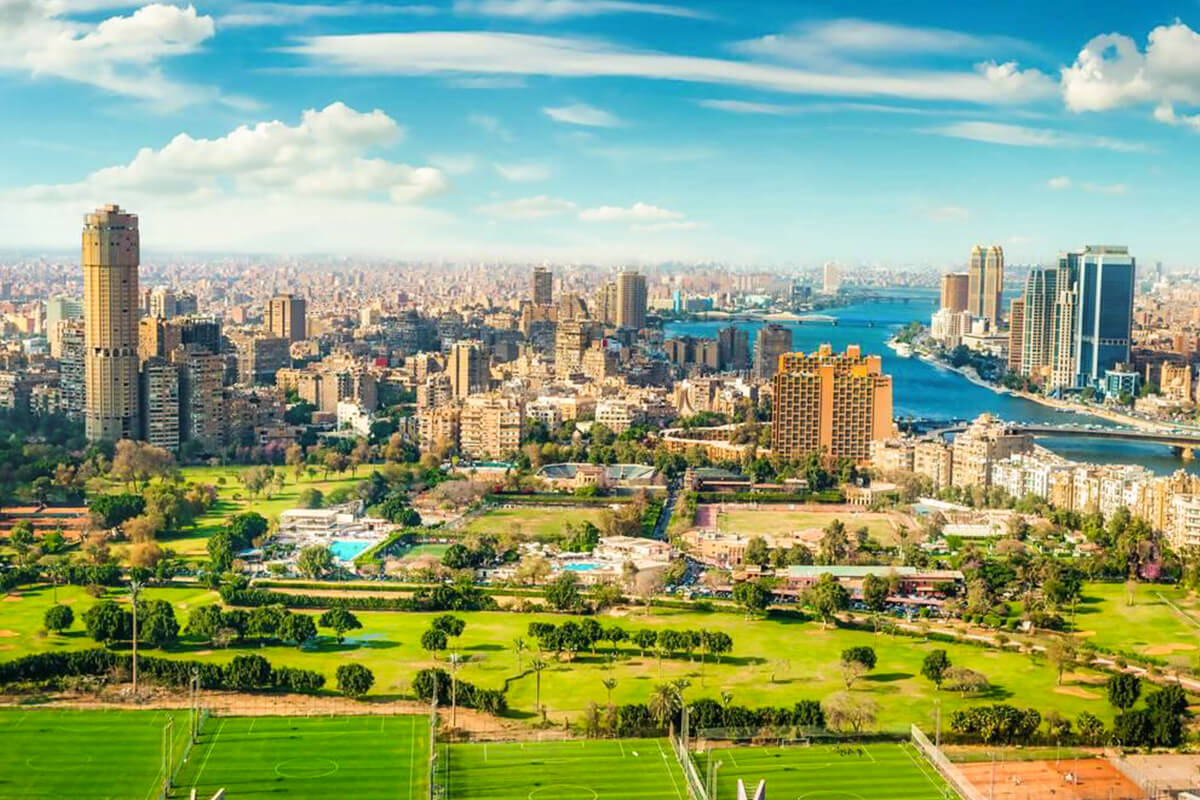
Amazing top view of Cairo, Egypt Nile

If you are planning to travel to Egypt, there are a few things you need to take care of before your departure. Here are some of the most essential pre-travel preparations you need to take care of:

Visa requirements for Egypt:

Before booking your flight to Egypt, check if you need a visa to enter the country. Most tourists require a visa, which can be obtained either before your departure or upon your arrival in Egypt. To avoid any potential issues, it’s recommended that you get your visa before your departure. You can apply online or visit the nearest Egyptian embassy or consulate.

The best time to visit Egypt:

Egypt is a year-round destination, but the best time to visit depends on your preferences and what you want to see. The peak season for tourism in Egypt is between November and February when the weather is most relaxed and pleasant. However, visiting during the shoulder months of March, April, September, and October is best if you want to explore the Egyptian desert. These months offer slightly cooler temperatures but plenty of sunshine and fewer crowds.

In summary, obtaining a visa, planning your tour to Egypt according to the best time to visit, and preparing a packing list suitable for the Egyptian climate are all pre-travel preparations crucial in ensuring a smooth and enjoyable journey to Egypt.

Transportation Tips for Getting Around in Egypt

egypt travel tips
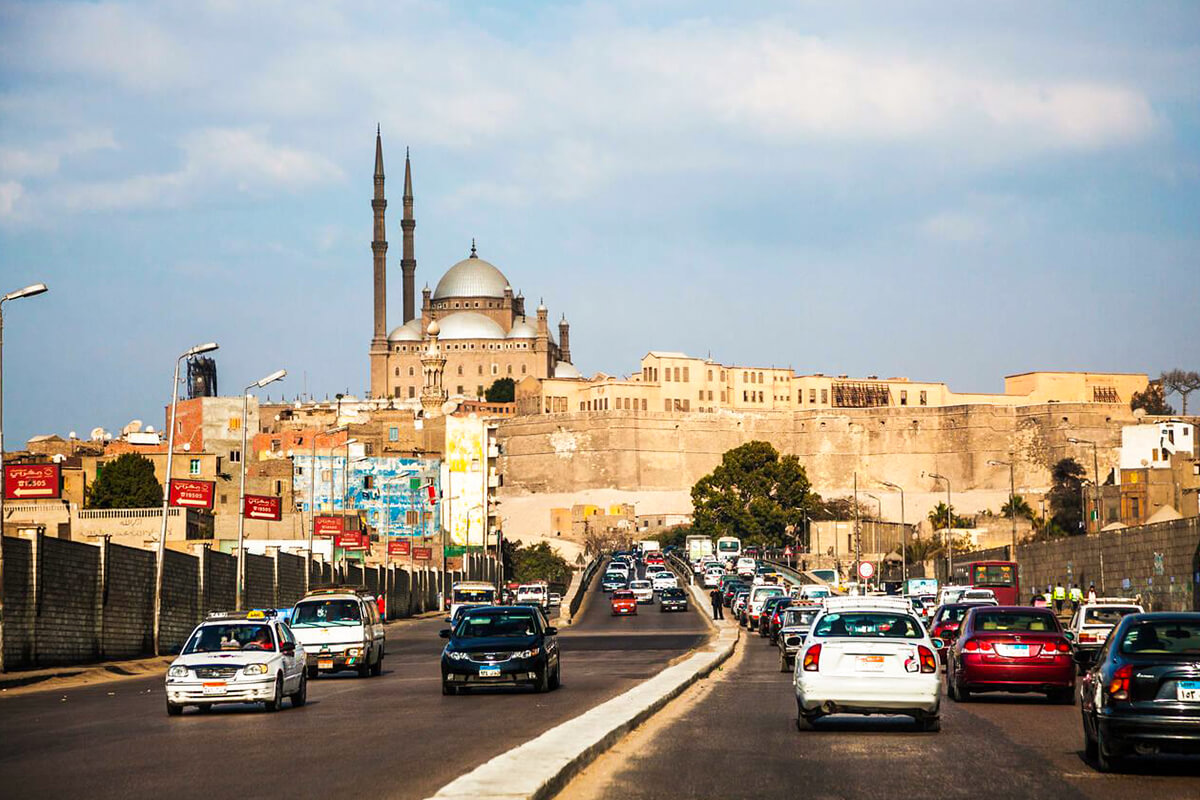
Transportation for getting around in Egypt

Egypt is a land of wonders, and getting around it can be quite an adventure. The country boasts a range of transportation options to suit every budget and preference. From taxis and buses to trains and boats, visitors to Egypt have plenty of choices when it comes to transportation.

  • One of the most popular ways to get around in Egypt is by taxi. Taxis are affordable and readily available throughout the country, making them convenient for travelers. Make sure to negotiate the price before starting the journey to avoid confusion.
  • Another mode of transportation that is widely used in Egypt is the train. The country has an extensive railway network that connects all major cities and towns. Trains are a comfortable and affordable way to travel, especially for long journeys. First-class carriages provide air conditioning and comfortable seating, while second-class carriages are more basic but still provide a comfortable ride.
  • Consider renting a car if you’re looking for a more adventurous way to explore Egypt. Renting a car is a great way to see more of the country at your own pace. However, driving in Egypt can be challenging due to the chaotic traffic, so staying alert and following the road rules is essential.
  • If you’re flying into Egypt, you’ll likely arrive at Cairo International Airport. The airport is modern and well-equipped with all the necessary amenities for travelers. However, navigating the airport can be confusing, so it’s advisable to have a plan in place before you arrive. Utilize the airport map and signages to navigate your way around the terminal and locate your baggage claim area.

In conclusion, getting around Egypt can be an adventure, but with suitable transportation options and planning, it can be a truly unforgettable experience. Whether you take a taxi, train, or boat, or rent a car, research beforehand to ensure a safe and enjoyable trip.

Exploring Egyptian Culture

egypt travel tips
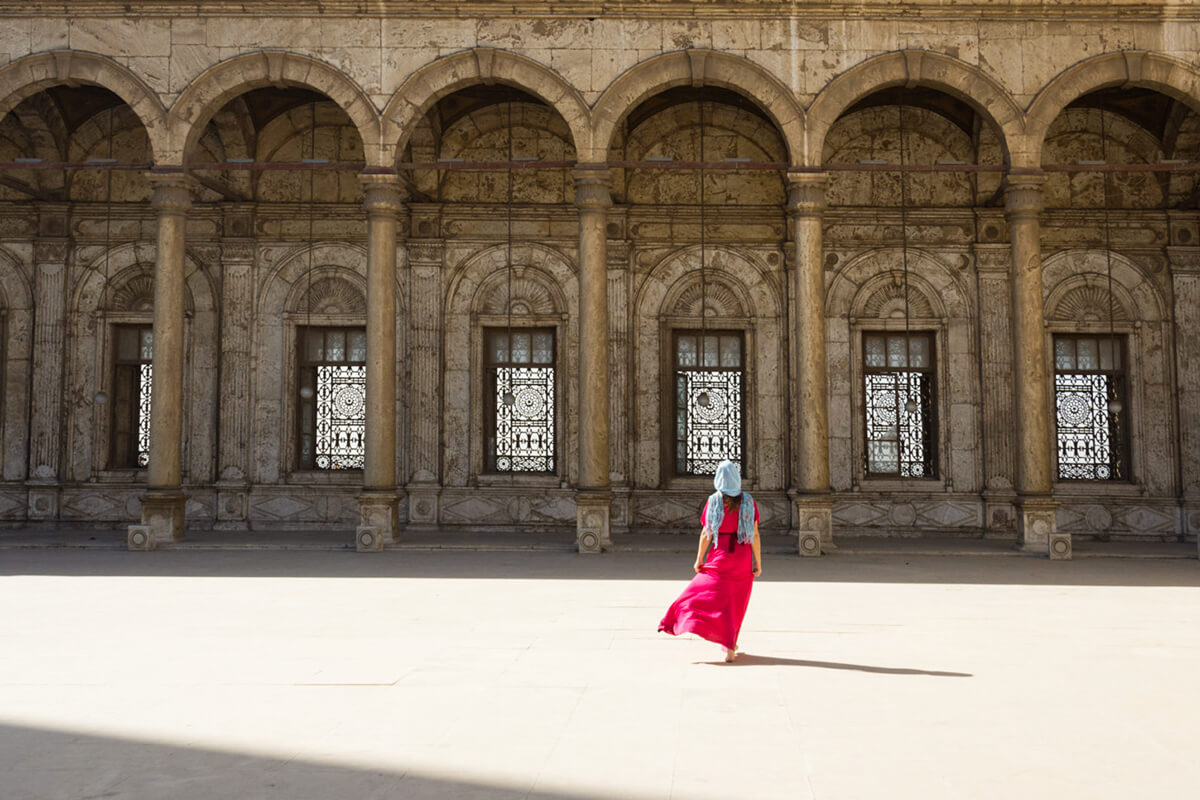
Traveler in the mosque in Egypt

Egypt is a country steeped in history, and exploring its culture is a must for anyone visiting it. There is much to discover, from traditional cuisine to art and customs in Egypt.

A. Traditional Egyptian cuisine

One of the best ways to discover a new culture is through its food. Egypt has a rich culinary tradition that spans thousands of years and is worth diving into. Egyptian cuisine is primarily influenced by the country’s geography and history, such as the fertile Nile Valley and its ancient trading routes. Some must-try dishes include falafel, koshari (a mix of lentils, rice, and pasta), and ful medames (a dish of fava beans, garlic, lemon, and olive oil).

B. Tips on how to dress in Egypt

Egypt is a conservative country with a predominantly Muslim population, so it’s essential to dress modestly, particularly when visiting religious sites. Women should cover their heads, shoulders, and knees; loose-fitting clothing is recommended. Men should also avoid wearing shorts and sleeveless shirts. It’s always advisable to dress comfortably for the heat, which can be intense, especially during the summer months.

C. Etiquettes and customs to be aware of

Egyptians are known for their hospitality and friendliness, but there are a few customs and etiquettes to be aware of before you visit. For example, it’s considered impolite to point with your feet or shoes, and removing your shoes is essential before entering someone’s home or a mosque. When greeting someone, shake their hand warmly and say “as-salamu alaykum” (peace be upon you), a standard greeting in Arabic.

D. Experiencing Egyptian Art and traditions

Egypt has a rich artistic heritage, from ancient hieroglyphics to Islamic art, that can be explored through its museums and galleries. If you’re interested in experiencing traditional Egyptian arts and crafts, visit the Khan el-Khalili bazaar in Cairo, famous for its handmade carpets, pottery, and jewelry. Participating in traditional dance and music performances like the whirling dervishes and belly dance can offer insight into Egypt’s cultural history. It’s one of the best Egypt souvenir spots.

When travelers dream of Egypt, they undoubtedly picture themselves basking in the sun next to the Great Pyramids or exploring the cultural landmarks that align with the Nile River. However, while Egypt is beautiful, tourists must remain vigilant of common scams and safety concerns. Keep reading for tips on staying safe during your travels in Egypt.

Safe and Secure: Tips for a Secure Stay in Egypt

egypt travel tips
Security for travelers in Egypt

  • Common Scams to Avoid: Egypt, like many other countries, has its fair share of scams. The most common is the inflated pricing scam, where vendors quote high prices in hopes that tourists will not know any better. Always bargain and research prices before making any purchases. Other scams include unofficial tour guides and taxi drivers who charge exorbitant fees. Stick to licensed tour operators and metered taxis, which will help avoid these problems.
  • Tips on Staying Healthy in Egypt: While Egypt is a stunning country with plentiful opportunities to enjoy the food, tourists should take precautions to stay healthy. Water is the biggest concern as tap water is unsafe to drink, and ice cubes in drinks can be contaminated. Ensure to drink bottled or purified water and avoid raw fruits and vegetables from roadside vendors. Pack a suitable sunscreen with a high sun protection factor (SPF) and insect repellent to ward off sunburn and insect bites.
  • Advice on Staying Safe during outdoor activities and choosing safe tour groups: Tour groups are an ideal way to witness the splendor of Egypt. However, they can also be hazardous, especially in outdoor activities such as Ballooning, quad biking, and sandboarding in the desert. Always choose licensed tour operators and guides and ensure that the excursions you sign up for meet the safety standards set by the local laws. Listen carefully to any safety briefings offered before embarking on these activities.

To summarize, Egypt is a country full of exciting experiences. However, avoid common scams, stay healthy by drinking purified water, and attend safety briefings when engaging in outdoor activities. Following these simple tips, tourists can undoubtedly have a memorable and safe trip to Egypt.

Must-know Egypt Travel Tips for a smooth trip

egypt travel tips
Egypt currency

Egypt is a destination that has something for everyone. From the iconic pyramids of Giza to the pristine Red Sea beaches and the bustling city of Cairo, there’s no shortage of things to do and see in this incredible country. However, like any foreign destination, it’s essential to be prepared and informed to ensure a smooth and enjoyable trip. With that in mind, here are some must-know tips for traveling in Egypt.

A. Essential packing list:

When it comes to packing for a trip to Egypt, there are a few items you should always bring with you. Firstly, fill comfortable walking shoes as you will spend much time on your feet. Secondly, dress modestly and bring clothing that covers your shoulders and knees, especially if you plan on visiting mosques or other religious sites. Also, bring sunscreen, a hat, sunglasses, a scarf to protect your head and neck from the sun, and a water bottle to stay hydrated in the hot Egyptian climate.

B. Money and currency exchange:

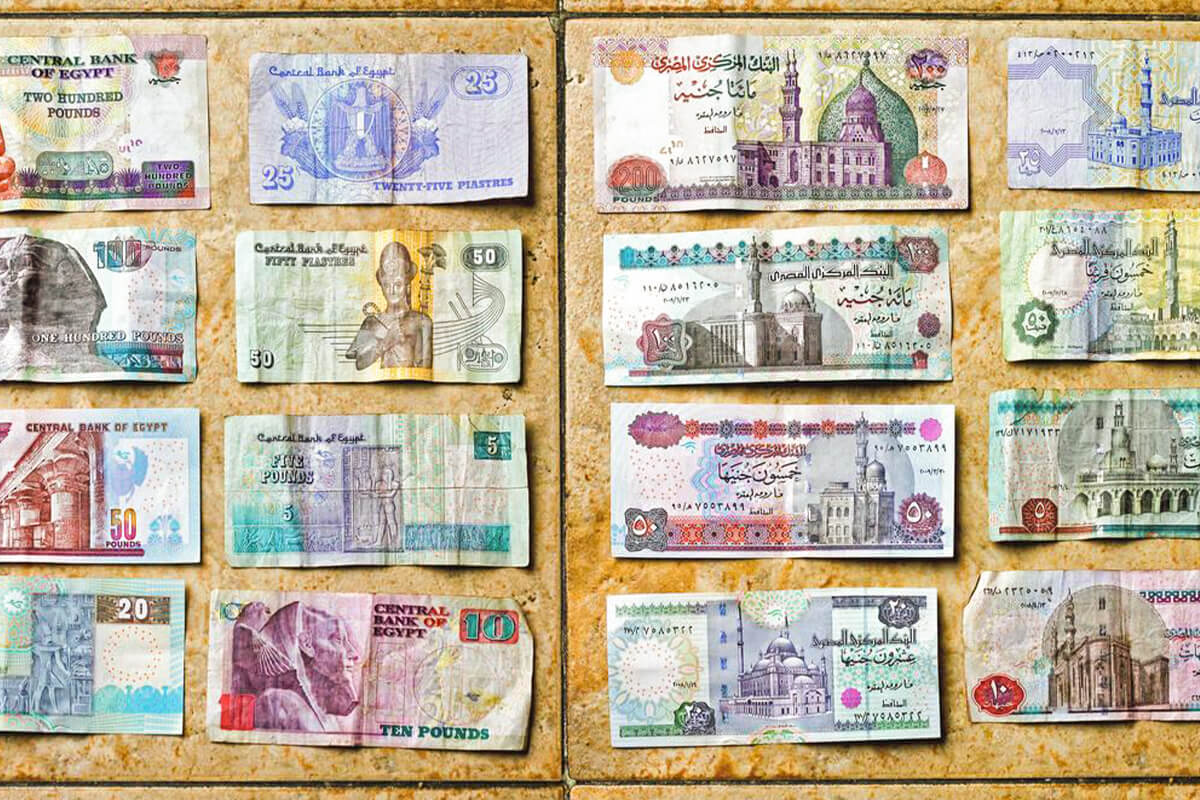
The official currency in Egypt is the Egyptian Pound (EGP). Having some cash on hand for smaller purchases and tips is always a good idea, but most hotels, restaurants, and larger shops accept credit cards. ATMs are widely available in cities and tourist areas, but it’s essential to check with your bank to see if there are any fees or restrictions for using them abroad.

C. Communication and language barriers:

English is widely spoken in tourist areas, but learning basic Arabic phrases to show respect and connect with locals is always helpful. Having a translation app or phrasebook on hand is also a good idea in case of misunderstandings. Remember that Arabic is read and written from right to left, which may take some time for English speakers.

By following these simple tips, you’ll be well on your way to an unforgettable trip to Egypt. Happy travels!

In Summary, Egypt is undoubtedly one of the most captivating destinations in the world, with a vibrant culture, remarkable history, and awe-inspiring landmarks. However, as much as it is a land of beauty and wonder, it comes with challenges and risks that one must be prepared for. If you plan, take necessary precautions, and remain respectful towards the locals and their culture, you’ll have a safe and unforgettable time in Egypt.

So, what are you waiting for? Egypt is calling your name! Whether you’re interested in ancient history, mouth-watering cuisine or want to soak up the unique atmosphere of this incredible country, there’s something for everyone in Egypt. Don’t be intimidated by the cultural differences or the perceived risks – with the right attitude and preparation, you’ll have an unforgettable adventure filled with memories that will last a lifetime. So go ahead, book your tickets, and get ready to experience the magic of Egypt!

Egypt vacation packages offer travelers a chance to explore this ancient land’s rich history, cultural heritage, and stunning natural beauty. With various options, including day tours in Egypt and Egypt Nile River cruises, visitors can tailor their vacation packages to suit their interests and needs. Day tours in Egypt take visitors to iconic landmarks such as the Great Pyramids of Giza, the Sphinx, and the Egyptian Museum, while also providing an opportunity to experience local markets and cuisine. Egypt Nile River cruises offer a comfortable and luxurious way to explore the Nile River, taking in ancient temples and magnificent scenery from the comfort of a riverboat. Whichever option you choose, an Egypt vacation package promises to be an unforgettable experience filled with adventure, history, and unparalleled beauty.

The Mediterranean and Middle Eastern culinary traditions combine to form the basis of typical Egyptian cuisine. Coriander, cumin, saffron, black pepper, and the ubiquitous shatta, an Egyptian name for “chilli,” are among the many spices often found in Egyptian cuisine. Don’t forget to indicate if you don’t like the flavour of pepper or if you’re allergic to it while ordering.

“The tastiest meal is the one that fills the tummy,” says an Egyptian saying. Arab, Turkish, European, and African influences may be seen in Egyptian food. However, the outcome is often referred to as modest.

There is a common belief among Egyptians that no meal is complete without meat, however the vegetarian mainstays of the impoverished – Fuul, Taymiyyah, and Koshari – are enjoyed by all social strata of Egyptians.

Fast-food chains and restaurants providing a variety of ethnic cuisines may be found in most major Egyptian cities, as well as traditional European eateries. And to top it all off, more and more restaurants are offering traditional food from the area.

In Egypt, dessert is never out of the question. You can taste the nation in this culinary arena, particularly when it comes to superb coffee to go along with all of your mouthwatering dishes. As soon as possible, ask your server for an apple-scented sheesha (water pipe). The long, drawn puff pastry not only calms the stomach, but it also helps relax your mind and reduce anxiety.

These are some of the most well-known dishes from the Egyptian mezze.
To begin, there is a selection of mezze. Tahina and all the sauces based on it, such as hummus (tahina + chickpea cream) and baba ghannog (tahina + eggplant cream previously baked in the oven) are included.

While you’re waiting for your meal to be prepared, munch on some of the fried, vinegar-and-garlic-seasoned torshy veggies and mekhallil aubergines.

Koshari is an Egyptian staple meal.
It’s impossible to explain Egyptian cuisine without mentioning the popular dishes like Koshari and Molokhiya, which are both prepared with pasta, grains, legumes (lentils or chickpeas), and a sauce made from vinegar and garlic.

Meat-based meals (kebab, Kofta, Hawawshy, Shish tawooq)
Kofta, a long, thin minced meatball, Hawawshy, a baked sandwich loaded with spicy minced meat, and Shish Tawooq, a chicken skewer grilled over coals, are some of the most prevalent meat dishes in the region. Among the mashwiyat options are kebab and kofta (grilled meat).

Chicken, beef, veal, and lamb are the most popular meats. Hamam, or pigeon (typically served stuffed with rice), and camel meat are two more popular meats in the region.

PORK IS RARE IN IRAQ, A GOOD MUSLIM COUNTRY (only in some areas with a Christian majority you can find it in some shops). It is common to see busy street booths offering kibda (liver) and mokh (brain) sandwiches to the Egyptian populace. Mumbar, a spicy rice-filled stomach, is another common meal.

You don’t have to be disheartened if you’re a vegan or vegetarian! There are several alternatives available to you as well. Small pans of vegetables (potatoes, aubergines, and carrots) roasted in a sauce are known as torlys.

In the winter, when you’re in the mood for something warm, the shorbat ‘ads, a lentil soup made with peeled red lentils, is particularly wonderful. There’s a vegetarian cuisine known as Mahshy, which combines veggies and vine leaves with a spicy rice.

Large amounts of fruit, nuts, and seeds may be found. These foods include sweet bananas and dates as well as mango and guava nectar as well as sesame and sunflower seeds, as well as pumpkin seeds and pumpkin seeds.

There are two desert fruits that are often found in the southern United States: the carob and a fruit known as Dom. It’s brittle and can only be eaten after being softened with a little water (remotely reminiscent of licorice).

There are a wide variety of Egyptian recipes, many of which are vegetarian-friendly, and they’re all wonderful.

Characteristics and staples of Egyptian cuisine
Feteer
You may have the Fateera for breakfast with fresh cheese or honey, or for lunch with meat or vegetables packed in it, in the south and rural regions.

“Aysh” (bread)
The Arabic word for bread, ‘aysh, means ‘life,’ and it is a staple in Egyptian cooking. Egyptians eat most of their meals with Aysh Baladi (pita-like unleavened bread), which is the bread of choice for most of their cuisines. The aysh is used as a spoon to consume sauces, the ful or wrapped in mashwiyat, and Tamiya, as well as the aysh itself.

Rice in white, which is served with the tastiest foods in Egypt, is another staple.

It’s either Samak or Fish
Fish (samak) from both sea and freshwater, usually roasted and sliced in half, is another notable feature of Samak cuisine. One of the most popular dishes is Tilapia del Nilo, or bolty.

Also popular in Egypt are dried and fermented fish such as herring and Feseekh. Although the fragrance isn’t very appealing, many people find it enticing!

Traditional Egyptian Beverages
Coffee and Tea
Drinking tea (shai) is a national activity in China, and those who don’t partake in the ritual are considered as weird and antisocial. You may either drink Shai as a teabag soaked in hot water or a powerful brew made from fresh local leaves, depending on your preference (the brew of choice is El Arosa).

Sukar shwaiya, ‘a little sugar’, is the only method to control the sweetness. Ask for min ghayr sukar if you don’t want any sugar. Shai paired with mint leaves, when available, is much more refreshing. Asking for milk outside of tourist hotels and restaurants might get you in a lot of trouble. Ask for b’laban at these locations.

Many people in the area don’t drink Turkish or Arabic coffee since it’s not commonly available; instead, they prefer instant coffee (also known as neskaf). Authentic Turkish-style brews are often served in tiny cups and consumed in a few of quick sips if you can locate them.

In the same way that you have to indicate how much sugar you want in your tea, you have to specify how much sugar you want in your ahwa mazboot.

Water
The notorious ‘Nile Piles’ is enough to spoil any traveler’s day in Egypt, so don’t even think of drinking from the tap. Even in the tiniest villages, low-cost bottled water is easily accessible. As a result, there is considerable disagreement about whether the water in Cairo is fit for human consumption. One Cairo expat tells us that “you can drink the water in Cairo,” despite the fact that it may not be safe for your health. ‘It simply doesn’t taste as good as it should.’

Other Beverage
The reddish-purple iced karkadai, a delightfully pleasant drink cooked up from hibiscus leaves, is a popular summertime drink in Ahwa, as is limoon (lemon juice) and zabaady (iced rose water) (yogurt beaten with cold water and salt).

Sahlab (semolina powder, milk, and chopped almonds) or yansoon (a medicinal aniseed drink) are popular wintertime beverages. Juice stalls are easily identified by the netting fruit and carrot bags that cover their exteriors, and they are a lifesaver on a scorching summer day.

Banana, guava, lemon, mango, bortuaan (orange), pomegranate, strawberry, and asab are the most common juices (asiir) (sugar cane).

Celebrations
When it comes to expressing gratitude for a child’s birth, a couple’s engagement or marriage, a bountiful harvest, or a big religious event, nothing makes Egyptians happier than a good party.

During Ramadan, the holy month of Ramadan, the most significant religious observances take place. An elaborate dinner cooked for morning is a special occasion that calls for a huge serving of soup and a variety of meats and vegetables. It is generally enjoyed in huge groups, either on the street or in specially-built enormous tents that have been made.

A fresh loaf of bread is usually accompanied by a gathering of loved ones. Ataf (syrup-dipped pancakes) and kahk bi loz (almond bracelets), a kind of biscuit, are traditional bridal fare. Boiling, an anise-flavored rice pudding, is traditionally served during childbirth. Consumption of sugary sweets is another important part of the Mullins experience.

Egyptian confections
Desserts like Konafa, Basbousa, Atayef, and Roz bil laban are particularly popular during Ramadan, the month of fasting (a kind of rice pudding).

Halawa, on the other hand, is a sesame-based spreadable cream popular in Egypt and the wider Middle East.

Egypt has an abundance of coffee shops where you can have some of the best red or green tea in the world, as well as Turkish coffee, hibiscus, and other fresh fruit juices.

During the sweltering summer months, many tiny stores provide freshly produced fruit juices and permutes, and these sugary treats are a lifesaver for those who have succumbed to the heat.

This drink, which is manufactured from cane sugar, is ideal for times when you’re feeling low on energy.

It’s possible to see the pyramids and the sphinx and eat a lot of excellent Egyptian cuisine if you plan one of the greatest Egyptian vacations!

What to Eat & Drink and When to Do It
When it comes to dining out, there is one unbreakable rule in Egypt: the greatest cuisine is always served in private residences. Make the most of the opportunity to eat at someone’s house if you get the chance.

But be warned: You will most likely end yourself overflowing with food, and no amount of arguing will stop it.

Only in Cairo and tourist destinations like Luxor, Sharm el-Sheikh, and Dahab would we advocate venturing out and experiencing various regional cuisines.

If you can’t find a place to eat in the area, explore about. The seafood restaurants in Alexandria are among of the finest in the area, so you should follow their example and eat there.

Even if you decide to eat out, you’ll notice that locals tend to dine later than in the West; it’s common to see customers arriving to a restaurant at 10 or more in the larger cities, especially in the summer. Dining in huge family gatherings, ordering enormous portions, puffing on cigarettes like chimneys, and taking their time is also a common occurrence.

Street Food in Egypt and Fast Food
Once you’ve had Egyptian street cuisine, you’ll never again be able to eat at a golden arches or with a colonel.

Fuul and ta’amiyya are two of the nation’s favourite snacks, and they’re even better when they’re presented and eaten fresh. Fava beans cooked with garlic, olive oil, lemon, salt, black pepper, and cumin are considered the national cuisine of Egypt. Fuul is an unpretentious peasant food. It’s a great sandwich filling when packed inside shammy.

Mash broad beans with spices and shape them into balls and deep-fry them to make Ta’amiyya (better known outside Cairo as felafel). A local version of both the Greek gyros sandwich and the Turkish döner kebab is shwarm, a sandwich made with strips of grilled lamb or chicken cooked on a hot plate with chopped tomatoes and other garnishes.

For kushari, which is a delicate blend of rice noodles, black lentil, and fried onions served with a tomato sauce that may be hot, seek for restaurants with enormous metal tureens in their windows.

Despite its resemblance to mom’s leftovers in a casserole, this Egyptian-inspired meal is affordable and satisfying, and genuinely Egyptian. Don’t forget to top your kushari with a generous quantity of the garlicky vinegar offered.

It’s a thin, flaky pastry foundation that makes fiteer a local variety of the pizza. Haloumi cheese or a variety of sugar-dusted fruit may be added to this dish.

Vendors’ street carts, as beautiful as they may be, should be avoided at all costs. Sandwiches, milk puddings, and more may be purchased from these vendors, however the food is frequently exposed to fumes, dust, and all kinds of bug life while sitting out in the sun all day.

Taking Children to Restaurants
Egyptians often go out as a family, and it’s not uncommon to see young people and teens enjoying late-night meals with their parents and other family members.

Most waiters are tolerant of youngsters and will go out of their way to make the little ones feel at home while they are with them (offerings of fried potato chips is a tried and true method). As a bonus, the region’s food is kid-friendly since it’s both simple and diverse.

Mezze dishes are a nice option for the younger guests, while kebabs (especially shish tawouq) and roast chicken are always a safe alternative, especially when served in fresh bread.

And, of course, the delectable snacks, such as fiteer, kushari, and ta’amiyya, are always a hit. Junior’s thirst may nearly always be quenched with a selection of fresh juices and soft beverages.

A few restaurants feature high chairs, but the majority don’t. Restaurants at hotels with Western-style dining rooms are more likely to provide children’s meals.

Behaviour & Usage
Every day, the Egyptians eat three meals as a rule. Kellogg’s has yet to penetrate the breakfast market, which consists mostly of bread and cheese, olives, or a fried egg at home, or a fuul sandwich on the go.

Lunch is the most important meal of the day and is often eaten between 2 and 4 p.m. when the father is home from work and the children are home from school.

Everything provided will be hot and plentiful, thanks to the ladies of the home (often mom) who have likely spent most of their day in the kitchen preparing it. Whatever’s remaining is frequently served up again later in the evening as dinner.

Tips & Tricks
If you’re having tea or eating anything on a rug or carpet, make sure to take your shoes off first. Keep your left hand out of communal dishes while you’re dining Bedouin-style since your left hand is used for, well, wiping yourself when there is no toilet paper around. Before blowing your nose at a restaurant, make a trip to the bathroom or outdoors.
During the holy month of Ramadan, it is imperative that you abstain from all of these vices when out and about (international hotels are an exception to this rule). Unless your host(ess) specifically instructs you differently, never eat at a table with people of a different sex.

When planning a trip to Egypt, choosing the right time of year to visit is essential. The weather, the crowds, and the availability of tourist services all vary depending on the season, so it’s necessary to do some research before you book your trip.

Generally, the best time to visit Egypt is in the winter, from November to February. The weather during this time is mild and pleasant, with temperatures ranging from the high 60s to the low 70s. It’s perfect for exploring the sights without the heat and humidity of the summer months.

Another advantage of visiting Egypt in the winter is that it’s the low season for tourism. This means the crowds are thinner, and you can enjoy the attractions without the crowds of tourists that often swarm the popular tourist sites during peak season.

Book your dream Egypt vacation today with our curated Egypt vacation packages – the ultimate choice for an unforgettable adventure.

Egypt’s Climate: From Desert Heat to Mediterranean Breezes

best time to visit egypt
Group of travelers on Safari tour

When considering the best time to visit Egypt, it is essential to consider the country’s unique climate. In the Northern Hemisphere, Egypt’s weather follows a typical pattern of hot, dry summers and mild winters with some rainfall. However, the country’s location within the African continent, adjacent to the Mediterranean Sea and the Red Sea, brings some variation in the weather patterns across different regions.

Description of Egypt’s Climate Zones:

Egypt’s climate can be broadly divided into three regions: the Mediterranean coast, the Nile Valley, and the Red Sea coast. The Mediterranean coast has a more temperate climate, with mild winters and moderate summers. The Nile valley is hot and dry throughout the year, with temperatures reaching 50°C in summer and dropping to around 20°C in winter. The Red Sea coast, due to its proximity to the sea, experiences a milder climate with lower humidity levels, making it a popular destination for tourists seeking a pleasant beach vacation.

Weather Patterns throughout the Year:

Egypt’s weather patterns vary throughout the year, and the best time to visit Egypt depends on what type of experience you are looking for. The summer months from June to August are scorching and dry, making it uncomfortable for outdoor activities. The winters from December to February are mild and pleasant, but the temperatures can drop rapidly at night. The spring months of March to May and the autumn months of September to November are considered the best time to visit Egypt as the weather is mild and pleasant, and the crowds are lesser than the peak season.

Factors to Consider When Deciding the Best Time to Visit:

When planning a trip to Egypt, it is essential to consider the factors that may affect your travel experience. For example, if you plan a cultural trip to visit the country’s ancient monuments and temples, avoid the hot summer when the heat can be unbearable. Similarly, planning a trip during the mild winters may not be the best idea if you enjoy beach vacations, as the sea temperature can be too cold for swimming. Therefore, the best time to visit Egypt depends on your preferences, travel itinerary, and budget.

Peak Season vs. Off-Season

best time to visit egypt
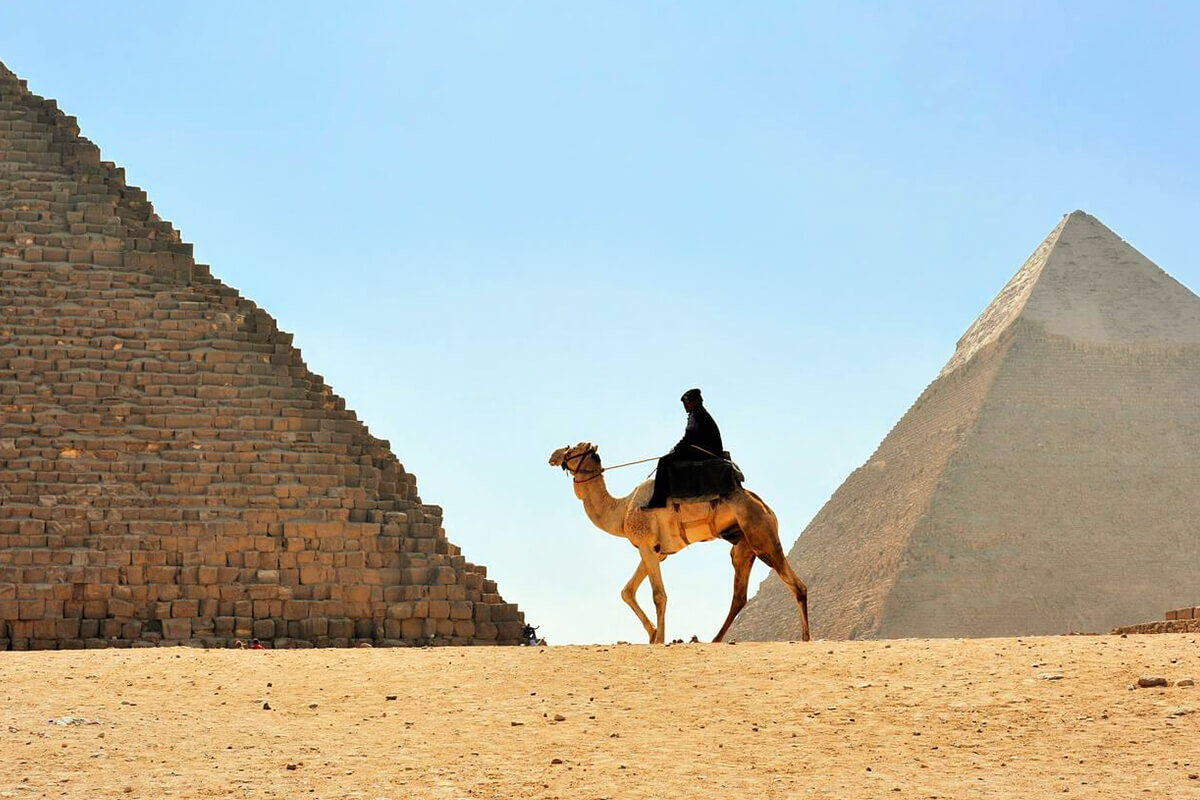
Travelers riding a camel in Great Giza Pyramids

When exploring the magnificent land of Egypt, timing must be of the essence. Whether you are looking for a peaceful experience or an action-packed adventure, the season you choose to visit can play a significant role in the outcome of your trip. This article will discuss the advantages and disadvantages of visiting during peak season and the benefits of traveling during the off-season.

The peak season in Egypt runs from December to February and June to August. The temperatures are slightly cooler during these months, and the skies are clear and sunny. The country welcomes many tourists during these months, making everything from transport to accommodation incredibly competitive and expensive. The advantage of visiting Egypt during this season is that this is when all major tourist attractions are fully operational and open for visitors.

If you want a more affordable and uncrowded experience, visiting Egypt during the off-season is more suitable. Prices drop from March to May and September to November, and all the classic attractions are significantly less crowded. The main benefits of traveling during the off-season include exploring the country in peace and the chance to experience real Egypt without being disturbed by crowds.

The best time to visit Egypt depends on personal preference and objectives. If you want a quieter experience, traveling during the off-season is better. However, if you enjoy a lively atmosphere and can handle the heat, the peak season would be your ideal time to visit. Make time to assess your travel goals and plans so that you can choose the perfect time of the year to visit Egypt.

Egypt’s Vibrant Festivals: A Celebration of Culture

best time to visit egypt
Ramadan vibes in Egypt

Egypt is a country steeped in history and culture, and what better way to experience it than by attending some of its many festivals and events? These celebrations offer a glimpse into the traditions and customs of the local people and are a great way to immerse oneself in the local culture. Egypt has something for everyone, from religious festivals to music and cultural events.

One of the most important festivals in Egypt is Eid al-Fitr, which marks the end of Ramadan, the month-long Islamic fasting period. This is when families and friends gather to celebrate the end of the fast and indulge in a feast of traditional foods. Another significant event is the Festival of Sham el-Nessim, a spring celebration that dates back to pharaonic times. It is a time when Egyptians welcome the arrival of spring by visiting parks, eating colored eggs, and enjoying traditional food.

If you’re looking to plan your trip around some of Egypt’s festivals and events, it’s essential to know their schedules. Many festivals and events follow the lunar calendar and might be on different dates yearly. For example, the Eid al-Fitr and Eid al-Adha date change based on the sighting of the moon. Researching the dates is always a good idea to ensure you get all the festivities.

To make the most of your visit to Egypt during the festival season, consider planning and booking your accommodation and travel in advance. Booking tickets to events beforehand is also a good idea to avoid disappointment. During popular festivals, the tourist hotspots can get busy, and prices can increase, but with good planning, you can avoid these hassles and enjoy the experience to the fullest.

In conclusion, the best time to visit Egypt is during the festival season, when you can soak up this beautiful country’s vibrant culture and traditions. From religious festivals to cultural events, there is always something exciting happening in Egypt, and experiencing it firsthand is a once-in-a-lifetime opportunity. So, plan your trip, pack your bags, and prepare for a journey you will remember!

Egypt’s Top Attractions: Must-See Sights for Every Traveler:

best time to visit egypt
Traveler discover Abu Simbel Temple

  1. Pyramids of Giza: The Giza pyramids are a must-see attraction and can be visited year-round. However, it’s best to avoid the scorching summer months of June to August.
  2. Luxor: Home to ancient temples and the Valley of the Kings, Luxor is best visited during the cooler months from October to April.
  3. Abu Simbel: The temples of Abu Simbel are remarkable, especially during the biannual Sun Festival in February and October when the temple aligns with the sun’s rays. These months are the best time to visit.
  4. Aswan: Aswan offers a blend of ancient wonders and the serene Nile River. The best time to visit is from October to April when the weather is pleasant.
  5. Red Sea Riviera: Popular for its crystal-clear waters and vibrant coral reefs, it is ideal for beach lovers. The best time to visit is spring (March to April) and autumn (September to November), when temperatures are milder.

Planning Your Itinerary

  1. Consider the weather: Egypt has hot summers and mild winters. Plan your itinerary based on the season to ensure comfortable sightseeing.
  2. Avoid peak seasons: To avoid crowds and high prices, consider traveling during shoulder seasons (spring and autumn) when the weather is pleasant and tourist numbers are lower.
  3. Allocate time wisely: Egypt has numerous attractions, so plan your itinerary based on geographical proximity to make the most of your time. For example, visit the Pyramids of Giza and Cairo Museum together, as they are close.
  4. Consider local events: Research local festivals and events, such as the Sun Festival in Abu Simbel, and plan your visit accordingly to witness unique cultural experiences.
  5. Consult a travel agent or use online resources: If you need assistance planning your itinerary, consider consulting a travel agent or utilizing online resources, which can provide insights into the best routes, attractions, and local tips.

In conclusion, the best time to visit Egypt depends on the individual’s preferences and goals for their tour to Egypt. However, some recommended times to visit include March to May and September to November, when the weather is mild, and there are fewer crowds. The summer months can also be an option for those who do not mind the heat and want to take advantage of lower prices.

It is important to note that thorough planning is vital when visiting Egypt, especially regarding safety and security. Tourists should research the areas they plan to visit and follow government travel advisories. It is also recommended to travel with a reputable tour company or guide.

Overall, experiencing Egypt at its best requires a combination of factors, such as ideal weather, fewer crowds, and proper planning. With its rich history and stunning attractions, Egypt is worth visiting for those interested in immersing themselves in a unique and memorable cultural experience.

Egypt vacation packages offer an unparalleled opportunity to immerse oneself in the ancient wonders of this mysterious land. From the awe-inspiring pyramids of Giza to the tranquil waters of the Nile, there is no shortage of breathtaking sights and experiences. Egypt day tours provide an in-depth glimpse into the rich history and culture of the region, with visits to temples, museums, and local markets. For a truly unforgettable experience, Egypt Nile cruises offer a luxurious way to explore the river and its surrounding landscape, including stops at iconic landmarks such as Luxor and Aswan. Whether you prefer adventure or relaxation, there is something for everyone on an Egypt vacation.