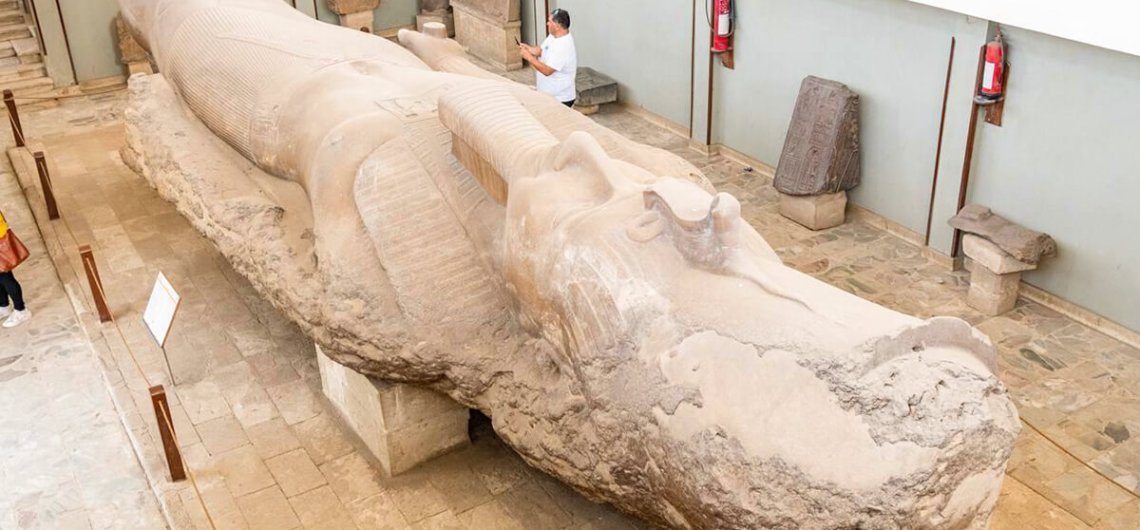
One of the most fascinating burial grounds is the Memphis Necropolis, located just outside Memphis in northern Egypt. In this article, we’ll take a closer look at this great site, exploring its history, significance, and most famous sites and offering tips for planning and enjoying a visit.

What is the Memphis Necropolis?

First, let’s define what a cemetery is. The word “necropolis” comes from the Greek words “nekros” (meaning “dead”) and “polis” (representing “city”). A necropolis is a significant, ancient burial ground that often includes elaborate tombs and other structures. The Memphis Necropolis is one such burial ground located just a short distance from the ancient city of Memphis.

The Memphis Necropolis covers an area of approximately 18 square kilometers and contains hundreds of tombs and other structures. Many of these tombs date back to the Old Kingdom period of ancient Egypt, which lasted from around 2686 BC to 2181 BC. During this time, the pharaohs of Egypt were buried in elaborate tombs with intricate artwork and carvings.

History of the Memphis Necropolis
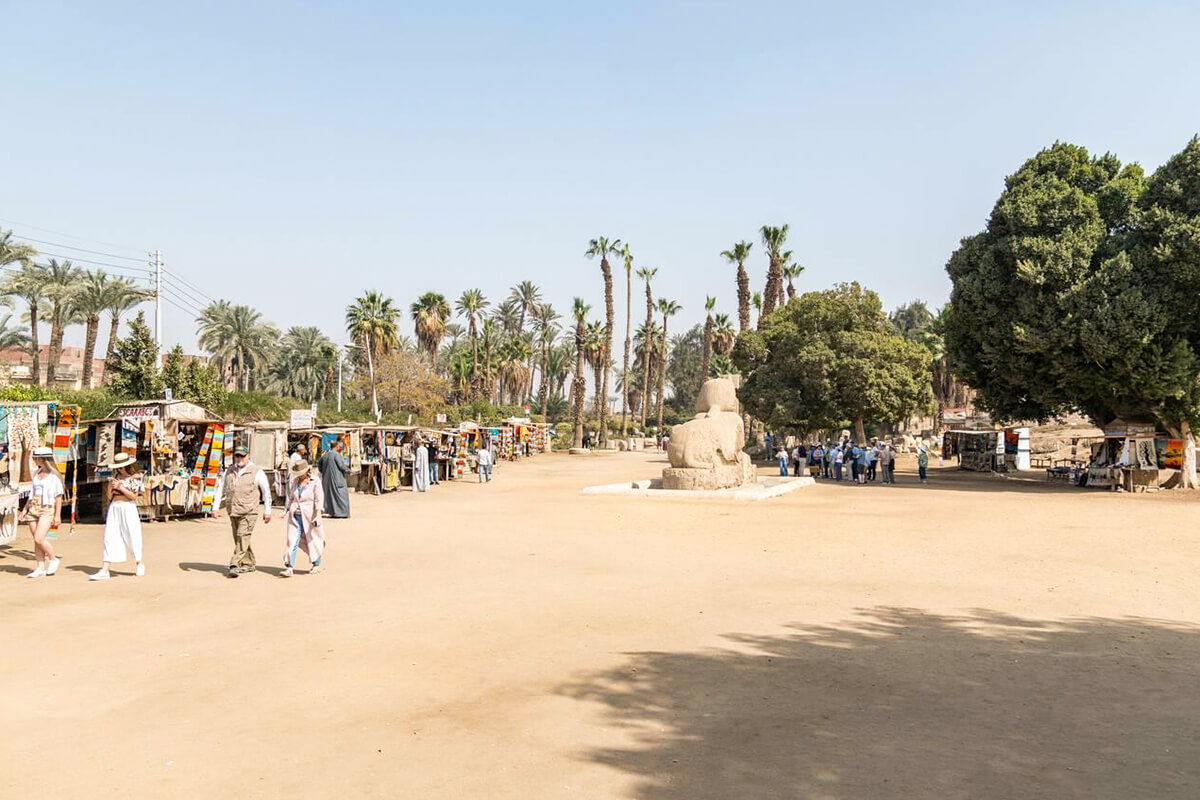
Memphis Necropolis
The main square of the open-air museum at Memphis Necropolis

The Memphis Necropolis is one of the oldest burial grounds in Egypt, and its history is closely tied to Memphis. Memphis was the capital of Egypt during the Old Kingdom period and was home to many of the pharaohs who ruled Egypt during this time.

One of the most famous structures in the Memphis Necropolis is the Pyramid of Djoser, which dates back to around 2630 BC. The Pyramid of Djoser is one of the oldest pyramids in Egypt and was the first to be built using stone. The famous architect Imhotep designed the pyramid, considered one of the most influential figures in ancient Egyptian history.

Another famous structure in the Memphis Necropolis is the Mastaba of Ti. The Mastaba of Ti is a large, flat-topped structure that dates back to around 2400 BC. It was built for a man named Ti, who was an important official in the pharaoh’s court.

Symbolism and Iconography in the Memphis Necropolis
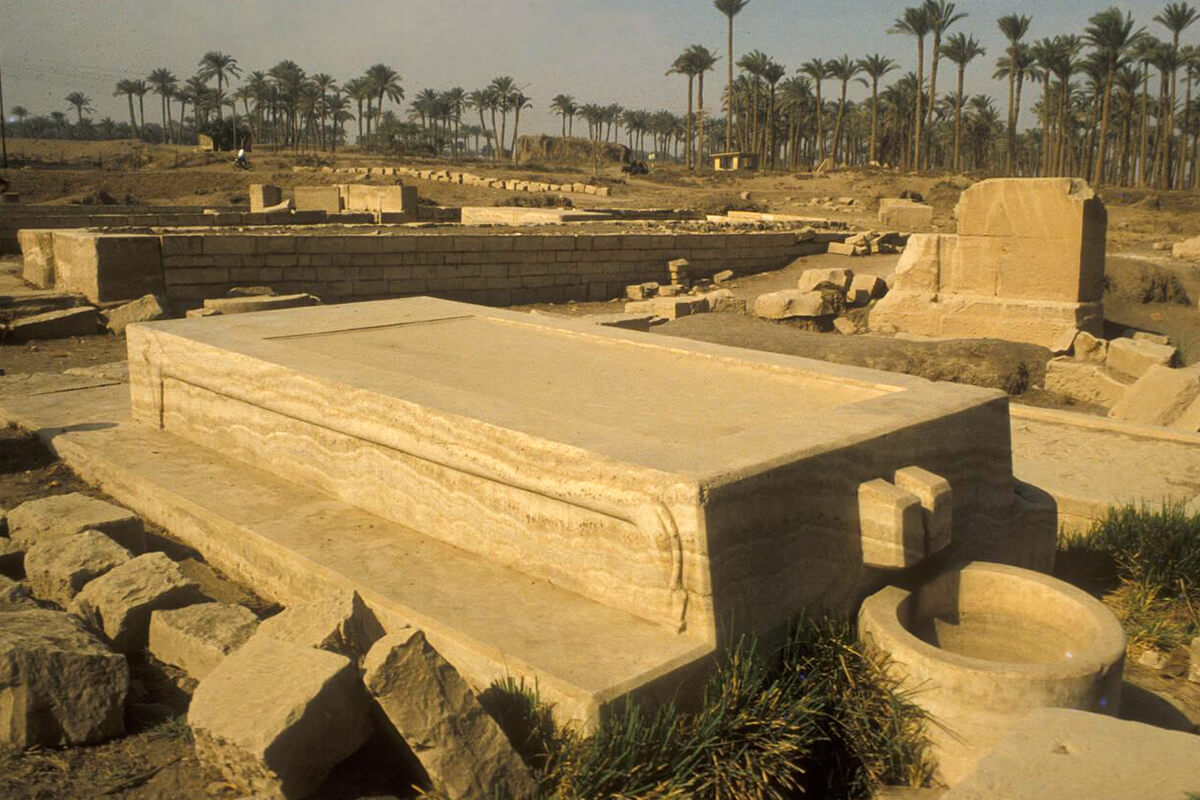
Memphis Necropolis
Necropolis of old city Memphis

The Memphis Necropolis is home to many vital symbols and iconography of the ancient Egyptians. For example, the pyramid shape symbolized the pharaoh’s power and divinity and was used to house their tombs.

Another important symbol found in the Memphis Necropolis is the scarab beetle. The scarab beetle was associated with rebirth and renewal and was often used in funerary art to symbolize the deceased’s journey through the afterlife.

Famous Sites within the Memphis Necropolis

As mentioned earlier, the Memphis Necropolis contains many famous sites and structures. Here are a few of the most notable:

  1. The Pyramid of Djoser is one of the oldest pyramids in Egypt and was the first to be built using stone. It is located at the center of the Memphis Necropolis and is surrounded by a complex of other structures.
  2. The Mastaba of Ti: This is a large, flat-topped structure built for a man named Ti, who was an important official in the pharaoh’s court.
  3. The Tomb of Mereruka: This is one of the largest and most elaborate tombs in the Memphis Necropolis. It was built for Mereruka, a high-ranking official in the pharaoh’s court.
  4. The Tomb of Kagemni is another elaborate tomb in the Memphis Necropolis and was built for a man named Kagemni, a governor of Upper Egypt.
  5. The Serapeum is a series of underground tombs that house the mummified remains of the Apis bulls, which were seen as sacred animals in ancient Egypt.

Tips for Visiting the Memphis Necropolis

If you’re planning a visit to the Memphis Necropolis, there are a few things you should keep in mind:

  1. Wear comfortable shoes: The Memphis Necropolis is a large site, and you’ll likely be doing a lot of walking. Make sure you wear comfortable shoes to avoid sore feet.
  2. Bring plenty of water: Egypt can be hot, especially in summer. Make sure you bring plenty of water to stay hydrated.
  3. Hire a guide: To truly appreciate the history and significance of the Memphis Necropolis, it’s a good idea to hire a guide. A knowledgeable guide can help you navigate the site and provide insights into the history and symbolism of the various structures.
  4. Respect the site: The Memphis Necropolis is a sacred site, and it’s essential to treat it respectfully. Avoid climbing on the structures or touching any of the artwork or carvings.

Conclusion

The Memphis Necropolis is a great site that offers a glimpse into Egypt’s ancient history and culture. From the Pyramid of Djoser to the Tomb of Mereruka, there is much to explore and discover within this fascinating burial ground. Whether you’re a history buff or simply looking for a unique and memorable travel experience, the Memphis Necropolis is worth a visit. Remember to wear comfortable shoes, bring plenty of water, and respect the site and its history.

If you want to cruise through Nile River check out Egypt Nile River cruises

Don’t miss to check out our All-inclusive egypt vacation packages you can spend one day in egypt, check out in Egypt day tours

The Hanging Church, also known as the Suspended Church or the St. Virgin Mary’s Coptic Orthodox Church, is one of Egypt’s most unique and significant religious sites. Located in the heart of Old Cairo, the Hanging Church is built on top of the gatehouse of the ancient Roman fortress of Babylon. The church gets its name from the fact that it appears to be suspended between the gates of the fort and the ground below, giving it a unique and striking appearance.

The Hanging Church symbolizes Egypt’s rich cultural and religious heritage, and it is an essential site for Coptic Christians, who comprise around 10% of Egypt’s population. For travelers to Egypt, visiting the Hanging Church is a must-see attraction that provides a fascinating glimpse into the country’s history and religious traditions.

History of the Hanging Church 

The history of the Hanging Church dates back to the 3rd century when the area now Old Cairo was known as the Babylon of Egypt. According to tradition, the church was built on the site where the Holy Family, consisting of Mary, Joseph, and the baby Jesus, stayed during their flight to Egypt.

The original church was built during the 5th century, during the reign of Emperor Theodosius II. Over the centuries, the church underwent several renovations and additions, with significant restorations in the 10th and 18th centuries. The church’s current structure dates back to the 19th century when it was extensively restored and renovated by the Coptic Patriarch Cyril IV.

The Hanging Church has been the site of many significant events. During the Arab invasion of Egypt in the 7th century, the church was used as a meeting place for the Coptic bishops who decided to elect their pope in opposition to the Chalcedonian Churches. In the 11th century, the Hanging Church was the site of the coronation of the Coptic Pope Christodoulous, the first Coptic pope to be crowned in the church’s history.

Architecture and Design of the Hanging Church 

Hanging Church
Christians in Hanging Church in Coptic Cairo

The Hanging Church is a masterpiece of ancient architecture and design. Its unique location and construction give it a distinctive, recognizable appearance. The church is built in the shape of a cross, with the nave running east to west and the transept running north to south. The center is divided into three sections by rows of columns, with each unit containing a sanctuary for a different saint.

One of the most striking features of the Hanging Church is its wooden roof, which is made up of beautifully carved and painted panels that depict scenes from the Old and New Testaments. The top is supported by 13 wooden pillars, each uniquely designed. The church’s walls are decorated with beautiful icons and murals that date back to the 8th century, with many depicting scenes from the life of Jesus and the saints.

Religious Significance of the Hanging Church

Hanging Church
Interior design in Hanging Church

The Hanging Church is one of Egypt’s most important religious sites, particularly for Coptic Christians. It is the seat of the Coptic Orthodox Pope of Alexandria, who is considered the spiritual leader of the Coptic Church. The church is also home to many important relics and artifacts, including the pulpit used by St. Mark, the founder of the Coptic Church.

Visiting the Hanging Church 

Visiting the Hanging Church is a must-do activity for travelers to Egypt. The church is in the heart of Old Cairo, close to other important historical and cultural sites such as the Coptic Museum and the Ben Ezra Synagogue.

The church is open daily from 9:00 am to 5:00 pm, except Fridays when it is closed for midday prayers. Admission to the church is free, but visitors are encouraged to donate to help with the upkeep and maintenance of the site.

When visiting the Hanging Church, it is essential to dress modestly and respectfully. Visitors should also know that photography is prohibited inside the church, so take in the beautiful sights and sounds with your own eyes.

Tips for Making the Most of Your Visit to the Hanging Church 

To make the most of your visit to the Hanging Church, planning and knowing what to expect is helpful. Here are some tips to help you make the most of your visit:

  1. Arrive early: The Hanging Church can get crowded, especially during peak tourist season. Arriving early in the morning can help you beat the crowds and enjoy a more peaceful experience.
  2. Take a guided tour: A guided tour of the Hanging Church can help you better understand the history and significance of the site. Many tour companies offer guided tours of the church and other important sites in Old Cairo.
  3. Explore the surrounding area: The Hanging Church is located in the heart of Coptic Cairo, a neighborhood full of other significant historical and cultural sites. Take some time to explore the area and see what else it has to offer.
  4. Respect local customs: When visiting a religious site like the Hanging Church, it is essential to respect local customs and traditions. Dress modestly, avoid taking photographs inside the church, and be mindful of any religious ceremonies or services that may be taking place.

Conclusion

The Hanging Church is a unique and fascinating site that provides a window into Egypt’s rich cultural and religious heritage. Visiting the Hanging Church is a must-do activity for travelers to Egypt that will give you a deeper appreciation of the country’s history and traditions.

Whether you are a devout Christian or simply interested in history and architecture, the Hanging Church is sure to impress. With its stunning design, rich history, and important religious significance, the Hanging Church is a true gem of Egypt that should not be missed. So why not plan a visit to the Hanging Church on your next trip to Egypt and experience this excellent site for yourself?

If you want to cruise through Nile River check out Egypt Nile River cruises

Don’t miss to check out our All-inclusive egypt vacation packages you can spend one day in egypt, check out in Egypt day tours

The Djoser Step Pyramid, also known as the Step Tomb or the Pyramid of Djoser, is an ancient Egyptian structure in Saqqara, a vast necropolis on the west bank of the Nile River, about 30 km south of Cairo. The Step Pyramid was built during the 27th century BCE by Imhotep, the architect and high priest of the pharaoh Djoser, and is considered one of the earliest and most significant examples of monumental architecture in Egypt.

This article aims to provide a comprehensive guide for Egypt travelers planning to visit the Djoser Step Pyramid in Saqqara. We will cover the historical background of the site, practical information on how to see it, tips for exploring the complex, fun facts and trivia, nearby attractions, and other helpful travel advice.

Historical Background

step pyramid
Tourist man discover Djoser Step Pyramid in Saqqara

Djoser: The Pharaoh behind the Step Pyramid Djoser was a pharaoh of the 3rd dynasty of Egypt who ruled from around 2686 to 2649 BCE. He is best known for commissioning the construction of the Step Pyramid, which was designed to serve as his funerary complex. Djoser was a powerful and ambitious ruler who wanted to leave a lasting legacy, and the Step Pyramid was a testament to his wealth and prestige.

Construction of the Step Pyramid

The construction of the Step Pyramid was a monumental task that took several years to complete. Imhotep, the chief architect of Djoser, is credited with inventing the concept of the pyramid as a royal tomb, and the Step Pyramid was the first pyramid ever built. The structure consists of six mastabas (rectangular tombs) of decreasing size stacked on each other, creating a step-like appearance. The Step Pyramid was initially clad in smooth white limestone and stood over 60 meters tall, although much of the outer casing has been lost over time.

Significance of the Step Pyramid in Ancient Egypt

The Step Pyramid was a splendid tomb for Djoser and a religious and political center that symbolized the pharaoh’s divine status and authority. The complex included temples, shrines, courtyards, and other structures used for rituals and offerings to the gods. The Step Pyramid also influenced the development of later pyramids, such as the Great Pyramid of Giza, which was built over a thousand years later.

Visiting the Djoser Step Pyramid in Saqqara

A. Location and accessibility of the site The Djoser Step Pyramid is located in Saqqara, a vast necropolis home to numerous tombs, pyramids, and other ancient structures. Saqqara is about 30 km south of Cairo and can be reached by car, bus, or taxi. The Step Pyramid is situated in the heart of the Saqqara complex and is easily accessible from the main entrance.

B. Hours of operation and entrance fees The Step Pyramid is open to visitors from 8:00 am to 4:00 pm, with the last entry at 3:00 pm. The entrance fee is 160 Egyptian pounds (about $10) for adults and 80 Egyptian pounds (about $5) for students with a valid ID. Note that prices are subject to change, so it’s a good idea to check the official website or inquire at the ticket office for up-to-date information.

C. Guided tours and audio guides are available at the site and can be arranged through a tour operator or booked directly at the entrance. A guide can provide valuable insights and context to help you appreciate the historical and cultural significance of the Step Pyramid. Audio guides are free and offer a tour with informative commentary in several languages.

D. Dress code and other practical tips When visiting the Djoser Step Pyramid, it’s essential to dress appropriately and wear comfortable shoes, as the site involves a fair amount of walking and climbing. The dress code is modest and conservative, and visitors are advised to cover their shoulders and knees. Sunscreen, a hat, and plenty of water are also essential, as the Saqqara complex can get hot and dry, especially during summer.

Exploring the Djoser Step Pyramid Complex

step pyramid
Travelers take photos around the step pyramid

A. Overview of the complex The Djoser Step Pyramid complex is a vast and impressive site with several structures and features worth exploring. In addition to the Step Pyramid itself, the complex includes a courtyard, a serdab (a small room containing a statue of Djoser), a mortuary temple, a causeway, and a valley temple. Each of these structures has its unique features and historical significance.

B. Highlights of the complex Some of the must-see features of the Step Pyramid complex include:

– The Step Pyramid: The main attraction of the complex, the Step Pyramid is a marvel of ancient engineering and design. Visitors can climb to the top of the pyramid and enjoy stunning views of the desert landscape.

– The Serdab: This small, dark chamber contains a statue of Djoser that is believed to serve as his eternal dwelling place. The serdab is a unique feature of the Step Pyramid complex and provides a rare glimpse into ancient Egyptian funerary practices.

– The Mortuary Temple: Located on the east side of the Step Pyramid, the mortuary temple was used for the cult of the pharaoh and included offerings, sacrifices, and other rituals.

– The Causeway: The causeway is a long, narrow pathway that connects the mortuary temple to the valley temple, which is located near the Nile River. The causeway is lined with columns, statues, and reliefs depicting various scenes from ancient Egyptian mythology and daily life.

The Djoser Step Pyramid in Saqqara is a must-see destination for anyone interested in ancient Egyptian history and culture. As the oldest stone pyramid in Egypt, the Step Pyramid is a testament to the ingenuity and creativity of the ancient Egyptians. It provides a fascinating glimpse into their religious and funerary practices. By following the tips and guidelines outlined in this post, you can make the most of your visit to the Step Pyramid and the Saqqara Necropolis and gain a deeper appreciation for the wonders of ancient Egypt. So pack your bags, grab your camera, and prepare for an unforgettable adventure in the land of the pharaohs!

If you want to cruise through Nile River check out Egypt Nile River cruises

Don’t miss to check out our All-inclusive egypt vacation packages you can spend one day in egypt, check out in Egypt day tours

Coptic Cairo is a part of Old Cairo, home to the largest concentration of Coptic Christians in Egypt. “Coptic” refers to the indigenous Christian community of Egypt, who trace their roots back to the first century AD. Today, Coptic Christians make up around 10% of Egypt’s population, and Coptic Cairo is an important cultural and religious center for them.

Coptic Cairo has a long and fascinating history. It was initially the site of the Roman fortress of Babylon, built in the 1st century AD to protect the city from invading armies. After the Arab conquest of Egypt in the 7th century, the area became an important center for Coptic Christianity, and many churches, monasteries, and other religious institutions were established there.

Today, Coptic Cairo is home to some of the oldest and most influential churches in Egypt, as well as several museums and other points of interest. It’s a must-visit destination for anyone interested in Egypt’s rich cultural heritage.

The Main Attractions of Coptic Cairo

Churches

One of the main attractions in Coptic Cairo is its many beautiful and historic churches. Some of the most famous churches in the area include:

Hanging Church

Coptic Cairo
Hanging Church in Coptic Cairo

The Hanging Church is one of the most famous attractions in Coptic Cairo. It is located in the heart of the district and is named for its location above the gatehouse of the ancient Babylon Fortress. The church was built in the 7th century and is one of Egypt’s oldest and most influential churches.

Visitors to the Hanging Church can marvel at its beautiful architecture, which features stunning arches, columns, and domes. The church also has several priceless religious artifacts, including icons, manuscripts, and relics. One of the highlights of the church is the wooden pulpit, which is carved in the shape of a lotus flower and is said to represent the Tree of Life.

Abu Serga Church

Coptic Cairo
Abu Serga Church in Coptic Cairo

Another important church in Coptic Cairo is the Abu Serga Church. This church is believed to have been built on the spot where the Holy Family rested during their flight into Egypt, and it was built in the 5th century and later rebuilt in the 10th century.

Visitors to the Abu Serga Church can see where the Holy Family is said to have rested, as well as several other critical religious artifacts, including the tomb of Saint Sergius and a beautiful collection of icons. The church also features stunning architecture, including beautiful arches and columns.

Saint George

Coptic Cairo
Saint George’s Church in Coptic Cairo

The Church of Saint George is another important religious site in Coptic Cairo, and it was built in the 10th century and is dedicated to Saint George, the patron saint of Egypt. The church is near the Babylon Fortress and features stunning architecture, including beautiful mosaics and frescoes.

Visitors to the Church of Saint George can see several critical religious artifacts, including an ancient baptismal font and a collection of icons. The church is also home to a museum that showcases the history and culture of the Coptic Christian community.

Saint Barbara

Coptic Cairo
Saint Barbra Church in Coptic Cairo

The Church of Saint Barbara is another must-see attraction in Coptic Cairo. It was built in the 5th century and is dedicated to Saint Barbara, a Christian martyr. The church features stunning architecture, including beautiful arches, columns, and frescoes.

Visitors to the Church of Saint Barbara can see several critical religious artifacts, including icons, manuscripts, and relics. The church is also home to a museum that showcases the history and culture of the Coptic Christian community.

Monasteries and Museums

In addition to its many churches, Coptic Cairo is home to several monasteries and museums. Some of the most notable include:

Coptic Museum

Coptic Cairo
Coptic Museum in Coptic Cairo

The Coptic Museum is one of the top museums in Cairo and is a must-visit attraction for anyone interested in the history and culture of Egypt’s Coptic Christian community. The museum is located in the heart of Coptic Cairo and features many artifacts, including textiles, manuscripts, and religious artifacts.

Visitors to the Coptic Museum can see several fascinating exhibits, including the world’s most extensive collection of Coptic textiles and ancient Christian manuscripts. The museum also features several interactive exhibits and multimedia displays that help visitors learn more about the history and culture of Egypt’s Coptic Christian community.

Ben Ezra Synagogue

Coptic Cairo
Ben Ezra Synagogue in Coptic Cairo

While Coptic Cairo is primarily known for its Christian sites, it is also home to the Ben Ezra Synagogue, one of Cairo’s oldest and most essential synagogues. The synagogue was built in the 9th century and was originally a church before being converted to a synagogue in the 12th century. The Ben Ezra Synagogue is near the Babylon Fortress and features stunning architecture, including arches, columns, and a beautiful courtyard.

Visitors to the Ben Ezra Synagogue can see several critical religious artifacts, including a beautiful Torah ark, an ancient Torah scroll, and several decorative lamps. The synagogue also features a small museum showcasing the Jewish community’s history and culture in Cairo.

Babylon Fortress

Coptic Cairo
Babylon Fortress in Coptic Cairo

The Babylon Fortress is an ancient fortress in the heart of Coptic Cairo. The Romans built it in the 1st century, and the Coptic Christians later used it as a place of worship. Today, visitors can see the ruins of the fortress and explore its many exciting features.

Visitors to the Babylon Fortress can see several important archaeological sites, including the remains of an ancient church, several ancient houses, and a Roman amphitheater. The fortress also features a museum that showcases the history and culture of the ancient Roman and Coptic Christian communities in Cairo.

Conclusion

Coptic Cairo is a fascinating and beautiful part of Old Cairo and is a must-visit destination for anyone interested in Egypt’s rich cultural heritage. From its historic churches and monasteries to its museums and other points of interest, there’s something for everyone to enjoy in Coptic Cairo. By following these tips and respecting the local customs, you can visit this important cultural and religious center for a memorable and enjoyable visit.

If you want to cruise through Nile River check out Egypt Nile River cruises

Don’t miss to check out our All-inclusive egypt vacation packages you can spend one day in egypt, check out in Egypt day tours

The Bent Pyramid is one of Egypt’s most unique and intriguing pyramids and a must-visit destination for any traveler interested in history and culture. In this article, we will explore what makes the Bent Pyramid so unique, how to plan a visit, and what to expect when researching the pyramid and the surrounding areas.

What is the Bent Pyramid?

The Bent Pyramid is located in Dahshur, around 40 km south of Cairo, and was built by the pharaoh Sneferu during the Old Kingdom period. The pyramid is known for its unusual shape, which appears to bend at a certain point, hence its name. This unique design is believed to result from a change in the angle of inclination during construction, which was done to avoid structural instability.

One of the most exciting features of the Bent Pyramid is the two entrances, one on the north side and one on the west side. The north entrance leads to a descending passage, while the west door leads to an ascending path. This is the only pyramid in Egypt with such an architectural feature. The pyramid is also notable for its interior chambers, which feature intricate corbel vaulting and beautiful hieroglyphic inscriptions.

The Bent Pyramid is significant in Egyptian history and culture. It marks a transitional phase in pyramid construction, from the older step pyramid style to the smooth-sided pyramid style in the Great Pyramid of Giza.

Visiting the Bent Pyramid

Bent Pyramid
Travelers take photos of Bent pyramid

A. Location

The Bent Pyramid is located in Dahshur, a desert area around 40 km south of Cairo. The easiest way to get there is by car, renting, or hiring a taxi, and there are also organized tours that include transportation to and from the site.

B. Opening Hours

The Bent Pyramid is open daily to visitors from 8 am to 4 pm. It’s recommended to arrive early in the morning to avoid the crowds and the heat.

C. Entrance Fees

The entrance fee for the Bent Pyramid is 120 Egyptian pounds for foreigners and 60 Egyptian pounds for Egyptian citizens. There may be additional fees for photography and videography.

D. Tour Guides

While it’s possible to explore the Bent Pyramid on your own, hiring a tour guide is highly recommended. A knowledgeable guide can provide valuable insights into the history and architecture of the pyramid and surrounding areas. Directions can be hired at the site or arranged through a tour company.

E. Safety Tips

It’s essential to take certain safety precautions when visiting the Bent Pyramid and the surrounding areas. Wear comfortable shoes, sunscreen, and a hat to protect yourself from the sun. Bringing a water bottle and snacks is also recommended, as the site has limited food and drink options. Finally, be aware of your surroundings and follow the site’s guidelines or restrictions.

Exploring the Bent Pyramid

Bent Pyramid
Egypt tourist police in bent pyramid

A. What to Expect

Visitors to the Bent Pyramid can expect a unique and fascinating pyramid unlike any other in Egypt. The pyramid is surrounded by an expansive desert landscape, offering stunning views of the surrounding areas. The interior chambers of the pyramid are also worth exploring, with intricate hieroglyphic inscriptions and beautiful corbel vaulting.

B. Inside the Pyramid

Exploring the interior of the Bent Pyramid is a unique experience. Visitors can enter the pyramid through the north or west entrance and explore the narrow, steep corridors that lead to the interior chambers. The small sections offer a glimpse into ancient Egyptian burial practices and architecture. The walls are adorned with hieroglyphic inscriptions and carvings depicting various aspects of Egyptian mythology and culture.

C. Surrounding Areas

The Bent Pyramid is located in the desert area of Dahshur, which offers stunning views of the surrounding landscape. Visitors can also explore other nearby attractions, such as the Red Pyramid, another pyramid built by Sneferu, and the Dahshur cemetery, which contains several ancient tombs and temples.

Conclusion

The Bent Pyramid is a unique and fascinating destination for any traveler interested in ancient Egyptian history and architecture. Its unusual shape and architectural features make it a must-visit attraction, and exploring the interior chambers and surrounding areas is a truly unforgettable experience. With proper planning and preparation, visiting the Bent Pyramid can be an enriching and educational experience for all types of travelers.

Whether you’re a history buff, an architecture enthusiast, or simply looking for a new and exciting travel destination, the Bent Pyramid should be on your list of places to visit in Egypt. Take advantage of the chance to explore one of the world’s most unique and intriguing pyramids.

If you want to cruise through Nile River check out Egypt Nile River cruises

Don’t miss to check out our All-inclusive egypt vacation packages you can spend one day in egypt, check out in Egypt day tours