Khan el-Khalili Bazaar is a vibrant and historic marketplace in the heart of Cairo, Egypt. It is one of the oldest bazaars in the Middle East and has been an important center of trade and commerce for centuries. Today, the bazaar is a popular destination for tourists looking to experience Egypt’s traditional culture and unique shopping experience.

Highlight the importance of the bazaar to Egypt’s tourism industry. Khan el-Khalili bazaar is a crucial part of Egypt’s tourism industry, attracting millions of yearly visitors. It is a popular shopping destination and a cultural hub where visitors can experience the traditional way of life in Egypt. The bazaar is a vital source of income for the local economy, and it has helped to put Cairo on the map as a top tourist destination in the region.

Provide a preview of what the post will cover This blog post will provide a comprehensive guide to visiting Khan el-Khalili bazaar for Egypt travelers. It will cover the history of the bazaar, what to expect when visiting, tips for exploring the marketplace, and other nearby attractions and accommodations.

History of Khan el-Khalili Bazaar

A. Discuss the origins of the bazaar.

Khan el-Khalili bazaar was founded in the 14th century during the Mamluk period. It was named after its founder, a prominent Persian merchant, Khan el-Khalili. The bazaar was initially established to trade spices, textiles, and other goods from the Middle East and North Africa. Over time, the bazaar grew to become one of the most important trading centers in the region.

B. Explain how the bazaar has evolved.

Khan el-Khalili bazaar has seen many changes and transformations throughout its long history. In the 19th century, the bazaar was renovated and expanded to accommodate the growing number of visitors and merchants. In the 20th century, it became a popular destination for tourists interested in Egypt’s traditional culture and heritage. Today, the bazaar thrives as a bustling marketplace and cultural hub.

What to Expect at Khan El-Khalili Bazaar
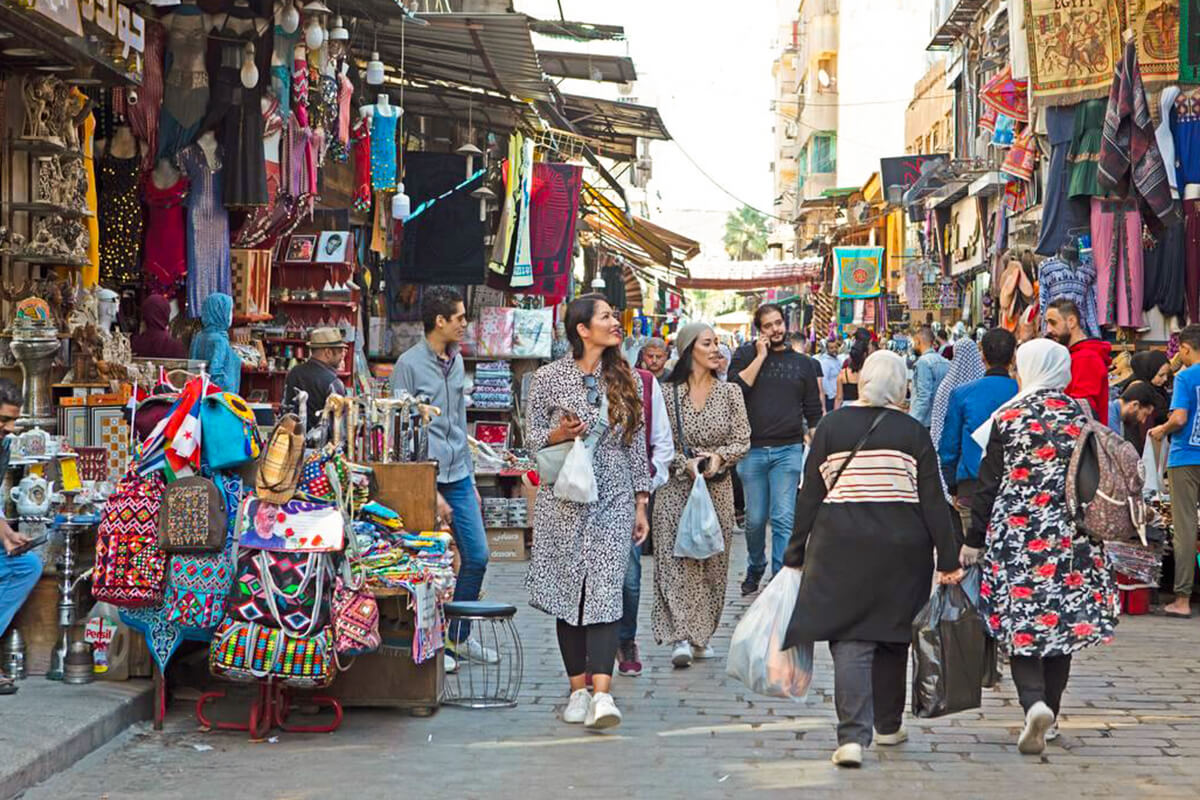
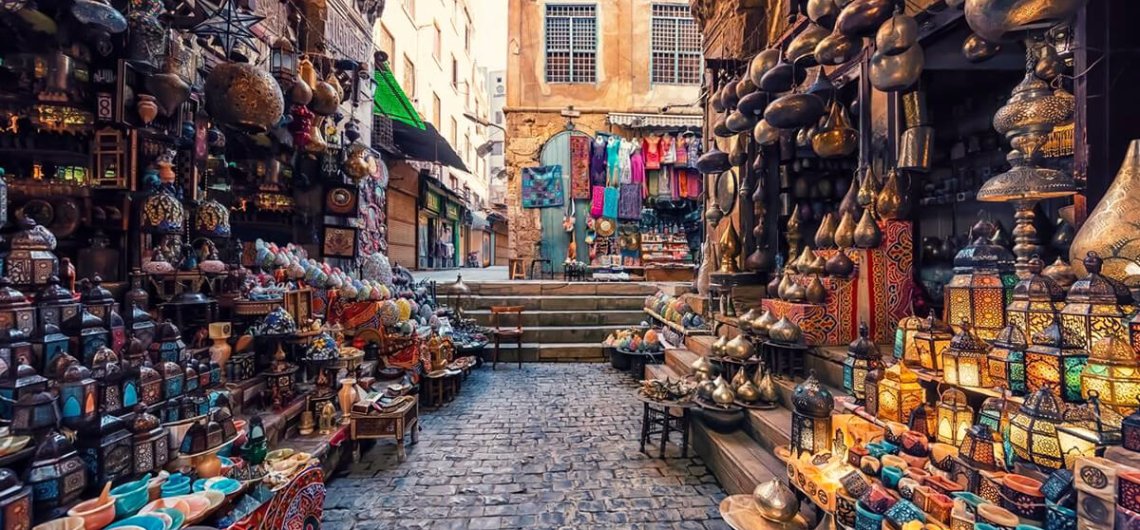
Khan El Khalili Bazaar
Travelers discover and shop in Khan El Khalili Bazaar

A. Describe the layout of the bazaar.

Khan el-Khalili bazaar is a sprawling marketplace that covers an area of several blocks. It is organized into a series of winding alleys and streets, each lined with vendors selling various goods. Visitors can expect to see everything from traditional textiles and jewelry to spices, souvenirs, and artwork.

B. Highlight some of the main attractions at the bazaar.

One of the main attractions of Khan el-Khalili bazaar is the traditional architecture and design of the marketplace. The bazaar has many historic buildings and structures, including the famous Mosque of Al-Azhar and the Bab al-Ghuri gate. Visitors can also enjoy traditional Egyptian street performances and music and sample local food and drink.

C. Discuss the various types of goods that are sold at the bazaar

Khan el-Khalili bazaar offers various goods for visitors to browse and purchase. Visitors can find traditional textiles, including handmade carpets, colorful tapestries, and jewelry from precious metals and stones. The bazaar is also known for its spices, including fragrant saffron and cumin, as well as local teas and coffees. Other popular items include souvenirs, such as Egyptian-themed trinkets and statues, and artwork, including traditional paintings and calligraphy.

D. Highlight some of the unique shopping experiences at the bazaar.

One of the fantastic experiences at Khan el-Khalili bazaar is haggling with the vendors. Bargaining is expected at the bazaar, and visitors can often negotiate prices for goods. Visitors should also be aware of scams and be cautious when purchasing expensive items.

E. Provide tips for navigating the bazaar.

Navigating the bazaar can be overwhelming for first-time visitors. It’s essential to wear comfortable shoes, bring plenty of water, and be aware of your surroundings. Visitors should also be prepared for crowds and noise, as the bazaar can be busy and chaotic sometimes. Having a map or guidebook on hand is a good idea to help navigate the different areas of the marketplace.

Exploring Khan el-Khalili Bazaar
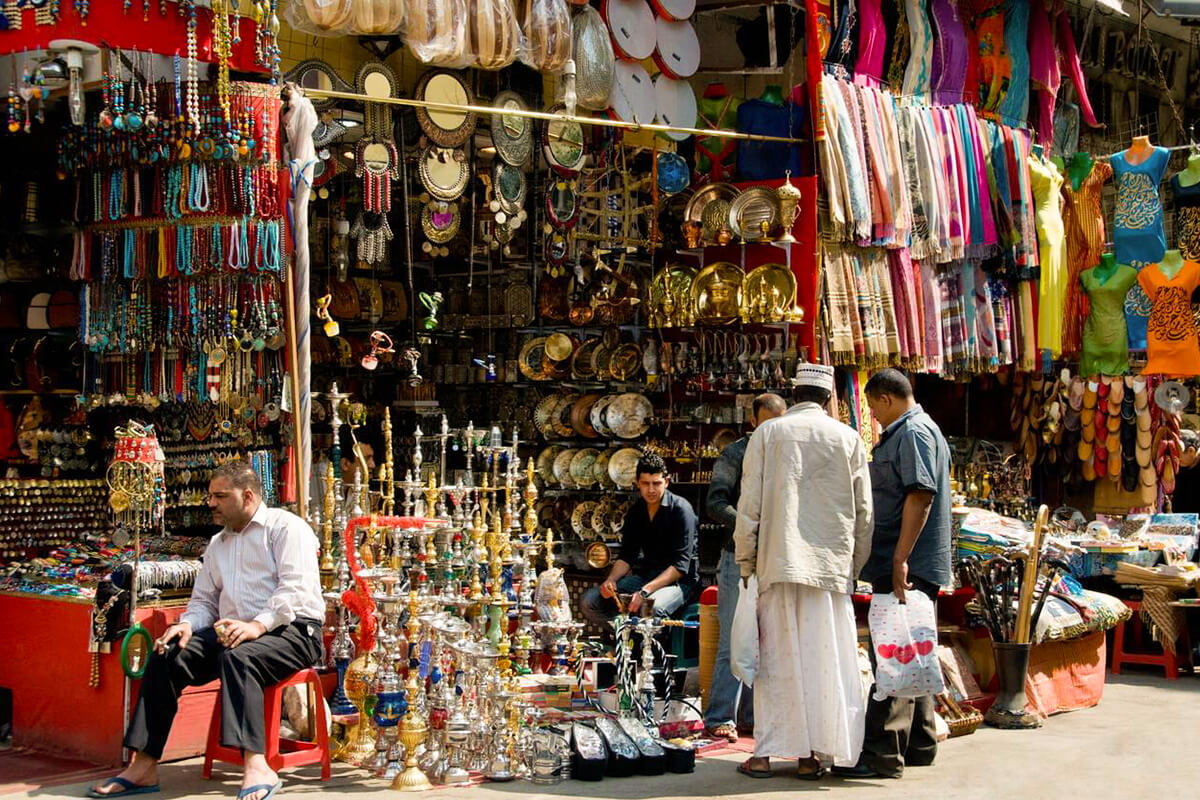
Khan El Khalili Bazaar
All Egypt Souviners in Khan El Khalili Bazaar

A. Discuss some ways to explore the bazaar.

There are many different ways to explore Khan el-Khalili bazaar. Visitors can stroll through the winding alleys and streets, stopping to browse and shop. Guided tours are also available, providing visitors a more structured and informative experience. Visitors can also take a break from shopping and enjoy some traditional Egyptian cuisine at one of the many cafes and restaurants in the area.

B. Highlight some of the hidden gems of the bazaar.

While the main streets and alleys of Khan el-Khalili bazaar are bustling and crowded, there are also many hidden gems. Visitors can explore the smaller side streets and alleys to discover unique shops and vendors. Some of the hidden gems of the bazaar include antique shops, bookstores, and traditional workshops where artisans create handmade goods.

C. Provide recommendations for must-see sights in the bazaar.

There are many must-see sights in Khan el-Khalili bazaar. The Mosque of Al-Azhar is a stunning example of Islamic architecture, and it is one of the oldest universities in the world. The Khan el-Khalili market also features several historic buildings, including the famous Al-Fishawi coffeehouse, which has operated since the 18th century. Visitors can also take a break from shopping and enjoy some traditional Egyptian cuisine at one of the many cafes and restaurants in the area.

Conclusion

El-Khalili bazaar is a must-visit destination for travelers to Egypt. This bustling marketplace offers visitors the chance to immerse themselves in Egyptian culture, browse unique goods, and explore the historic sights of Cairo.

In this post, we have highlighted the history and significance of Khan el-Khalili bazaar, provided tips for navigating the marketplace, and explored some of the bazaar’s unique shopping experiences and hidden gems. We have also discussed some of the must-see sights in the bazaar, as well as nearby attractions and accommodations for visitors.

Bargaining is expected at the bazaar, and visitors should be prepared to negotiate prices for goods. Visitors should also be aware of scams and be cautious when purchasing expensive items. It’s essential to wear comfortable shoes, bring plenty of water, and be mindful of your surroundings while navigating the bazaar.

There are many ways to explore Khan el-Khalili bazaar, including guided tours, strolls, and breaks for traditional Egyptian cuisine at one of the many cafes and restaurants in the area. Visitors can also discover hidden gems in the bazaar’s smaller side streets and alleys, such as antique shops, bookstores, and traditional workshops where artisans create handmade goods.

If you want to cruise through the Nile River, check out Egypt Nile River cruises

Don’t miss checking out our All-inclusive egypt vacation packages. You can spend one day in egypt; check out Egypt Day Tours.

The Ibn Tulun Mosque is a remarkable piece of Islamic architecture and a must-see attraction for anyone traveling to Egypt. Located in southern Cairo, this mosque is a religious site and symbol of power and authority. Built-in the 9th century by Ahmad Ibn Tulun, a governor of Egypt at the time, the mosque was designed to be the largest mosque in Egypt.

In this blog post, we’ll take a closer look at the history, design, and attractions of the Ibn Tulun Mosque. We’ll provide practical information for travelers who want to visit the mosque and offer tips on making the most of your visit. Join us as we explore the beauty and significance of this remarkable mosque.

History of Ibn Tulun Mosque

The Ibn Tulun Mosque was constructed in the 9th century by Ahmad Ibn Tulun,
the governor of Egypt at the time. Ibn Tulun was a military leader who had previously served in Iraq before the Abbasid caliphate sent him to Egypt. He was tasked with establishing a new capital city in Egypt and building a grand mosque that would serve as a centerpiece of the town.

The impressive mosques that Ibn Tulun had seen during his travels, particularly in Baghdad and Samarra, served as inspiration. He wanted to build a mosque that would rival the grandeur and beauty of those mosques. He also wanted to establish his authority in Egypt and demonstrate his power and wealth by constructing this mosque.

The Ibn Tulun Mosque is a unique example of Islamic architecture, blending elements of Roman and Byzantine styles with traditional Islamic design. The mosque is square, with a central courtyard and four halls that serve as prayer areas. The walls are made of brick and decorated with intricate geometric patterns and calligraphy, which inspire awe and reverence in the worshipers.

One of the most unique features of the Ibn Tulun Mosque is its minaret, which is spiral in shape and resembles a snail shell. The minaret is approximately 33 meters tall and offers a breathtaking city view. Another notable feature is the wooden pulpit in the central courtyard, which is intricately carved and decorated with calligraphy and geometric patterns.

Over the years, the Ibn Tulun Mosque has undergone several restoration efforts to preserve its beauty and historical significance. In the 12th century, the mosque was damaged by an earthquake and was subsequently restored. In the 19th century, the mosque underwent significant renovations, including adding a new entrance and restoring the minaret.

Today, the Ibn Tulun Mosque attracts visitors worldwide who admire its unique beauty and rich history. It is a testament to the ingenuity and creativity of Islamic architecture and a symbol of the enduring legacy of Islamic culture in Egypt.

Design and Architecture of Ibn Tulun Mosque

Ibn Tulun Mosque
Top view of Ibn Tulun Mosque

The Ibn Tulun Mosque is a masterpiece of Islamic architecture, renowned for its unique design and intricate decorations. Its design blends Islamic, Roman, and Byzantine styles, creating an aesthetically stunning and functionally efficient mosque.

One of the most striking features of the mosque is its use of brickwork, which is rare in Islamic architecture. The bricks used in the mosque’s construction are arranged in a decorative pattern known as “herringbone,” which creates a stunning visual effect. Brickwork also provides structural stability to the mosque, which is why it has withstood the test of time.

Another unique feature of the mosque is its use of natural light. The mosque is designed to allow natural light to filter through the windows and the central courtyard, creating a warm and inviting atmosphere. Using natural light is a deliberate choice, representing the connection between the divine and the natural world.

The mosque’s design is filled with symbolism, from intricate geometric patterns to calligraphy adorning the walls. The geometric patterns are meant to represent the order and harmony of the universe, while the calligraphy serves as a reminder of the power and beauty of the Arabic language. The mihrab, the niche in the wall that indicates the direction of Mecca, is also decorated with intricate geometric patterns and calligraphy.

The Ibn Tulun Mosque has influenced other mosques and buildings in Egypt, particularly in its use of natural light and geometric patterns. The Al-Azhar Mosque, located in the heart of Cairo, is a prime example of a mosque influenced by the design of the Ibn Tulun Mosque. The mosque also served as a model for other buildings, such as the Al-Hakim Mosque and the Bab Zuweila Gate.

In conclusion, the Ibn Tulun Mosque is a masterpiece of Islamic architecture that inspires awe and admiration. Its unique design and architectural features have influenced other mosques and buildings in Egypt. It’s historical significance and cultural value have made it a must-see attraction for travelers to Egypt.

Art and Decorations in Ibn Tulun Mosque

Ibn Tulun Mosque
Courtyard of Ibn Tulun Mosque

The Ibn Tulun Mosque is renowned for its unique design, architecture, and exquisite art and decorations. The mosque is adorned with beautiful calligraphy and intricate geometric patterns that testify to the skill and craftsmanship of the artisans who created them.

Calligraphy is a prominent feature of Islamic art, and the Ibn Tulun Mosque is no exception. The mosque’s walls are covered with verses from the Quran and other religious texts written in elegant Arabic script. The calligraphy serves both a decorative and a spiritual purpose, reinforcing the mosque’s identity as a sacred space.

The mosque’s decorations also feature intricate geometric patterns, an essential aspect of Islamic art. The designs are created using a variety of shapes, such as triangles, squares, and circles, and are meant to represent the order and harmony of the universe. The patterns are repeated throughout the mosque, creating a mesmerizing visual effect that adds to the mosque’s overall beauty.

The mosque is also home to several unique artifacts that are worth noting. One such artifact is the wooden pulpit, which is located in the mosque’s central courtyard. The pulpit is intricately carved with geometric patterns and calligraphy and is a stunning example of the woodcarving tradition in Islamic art.

Another notable feature of the mosque is the decorative panels that adorn the walls. The panels are made from wood and are intricately carved with geometric patterns and calligraphy. These panels were added to the mosque during a renovation in the 12th century and are a testament to the mosque’s enduring cultural significance.

The art and decorations in the Ibn Tulun Mosque reflect the rich cultural heritage of Egypt. Islamic art is deeply rooted in Egyptian culture and influenced by various artistic traditions, such as Byzantine and Persian art. The calligraphy and geometric patterns in the mosque are also a reflection of the importance of language and mathematics in Islamic culture.

Visiting Ibn Tulun Mosque

If you plan a trip to Egypt, a visit to the Ibn Tulun Mosque should be on your itinerary. Here’s what you need to know to make the most of your visit.

The mosque is open to visitors every day from 9:00 a.m. to 5:00 p.m. except on Fridays when it is closed for prayer until 1:30 p.m. Admission to the mosque is 100 Egyptian pounds for foreigners and 20 Egyptian pounds for Egyptians. Children under six years old are admitted free of charge. It’s worth noting that visitors must remove their shoes before entering the mosque, so be sure to wear shoes that are easy to take on and off.

To get the most out of your visit, consider hiring a guide. A knowledgeable guide can provide valuable insight into the mosque’s history and architecture and answer any questions. Guides are available for hire outside the mosque, or you can book a tour in advance.

If you prefer to explore the mosque alone, plan to spend at least an hour or two to appreciate its beauty and history fully. Visiting early in the morning or late in the afternoon is recommended to avoid the crowds and the day’s heat.

The mosque is located in the historic district of Old Cairo, so there are plenty of other attractions nearby that you might want to visit. The nearby Al-Azhar Park is a beautiful green space with stunning city views. At the same time, the Khan El Khalili bazaar is a must-visit destination for souvenir shopping and immersing yourself in the local culture.

In conclusion, the Ibn Tulun Mosque is a fascinating and unique destination for travelers to Egypt. Its rich history, stunning architecture, and beautiful artwork offer a glimpse into the country’s rich Islamic heritage.

We have discussed the mosque’s history, architecture, art, and practical information for visitors. The mosque’s unique features and cultural significance make it a must-visit attraction for anyone interested in Islamic art and architecture.

We highly recommend adding the Ibn Tulun Mosque to your itinerary if you plan a trip to Egypt. The mosque’s beauty and history will undoubtedly impress you, whether you are a history enthusiast, an art lover, or simply someone who appreciates beautiful architecture.

If you want to cruise through Nile River check out Egypt Nile River cruises

Don’t miss to check out our All-inclusive egypt vacation packages you can spend one day in egypt, check out in Egypt day tours

The Al-Hussein Mosque is one of the most important landmarks in Cairo, Egypt. Its stunning architecture, rich history, and cultural significance make it a must-see attraction for anyone visiting the city. In this blog post, we will explore the Al-Hussein Mosque in more detail, providing valuable tips for Egypt, travelers who want to make the most of their visit.

Don’t miss to check out our All-inclusive egypt vacation packages; you can spend one day in egypt, check out in Egypt day tours

History of the Al-Hussein Mosque

The Al-Hussein Mosque is named after Hussein ibn Ali, the grandson of the Prophet Muhammad. According to historical records, the Fatimid caliph Al-Hakim bi-Amr Allah built the mosque in the 12th century. However, the mosque underwent several renovations, including a significant restoration in the 19th century.

The Al-Hussein Mosque has played a significant role in the history of Cairo and Egypt. It has been the site of numerous important events, including political and religious gatherings.

Despite its age, the mosque remains one of Egypt’s most important religious sites. It is a pilgrimage site for Muslims worldwide, who come to pay their respects to Hussein ibn Ali and pray in the mosque’s beautiful prayer hall.

The architecture of the Al-Hussein Mosque

Al Hussein Mosque
Top view of Al Hussein Mosque in Cairo Egypt

The Al-Hussein Mosque is renowned for its stunning architecture, blends elements of the Fatimid, Mamluk, and Ottoman design. The mosque features a large central courtyard surrounded by domed chambers and arched entrances.

The most striking feature of the mosque is its minarets, among the tallest in Cairo. The minarets are decorated with intricate geometric patterns and calligraphy, making them an actual work of art.

Visitors can admire the mosque’s beautiful prayer hall, which features intricate tile work, wooden screens, and a high ceiling supported by columns. The mihrab, which indicates the direction of Mecca, is also a stunning work of art, with its intricate floral patterns and calligraphy.

It is worth noting that the architecture of the Al-Hussein Mosque has undergone several changes over the years due to various renovations and restorations. For example, the mosque’s wooden roof was replaced with a concrete one in the 1960s, while the mosque’s minarets were restored in the 1990s.

Cultural Significance of the Al-Hussein Mosque

Al Hussein Mosque
Interior design of Al Hussein Mosque

The Al-Hussein Mosque is a place of worship and a symbol of Egypt’s rich cultural heritage. It is a pilgrimage site for Muslims worldwide, who come to pay their respects to Hussein ibn Ali, the grandson of the Prophet Muhammad.

The mosque is also an important cultural center, hosting events and activities yearly. During the Islamic month of Ramadan, the mosque comes alive with various activities, including special prayers, lectures, and community meals.

In addition to its religious and cultural significance, the Al-Hussein Mosque is also an important tourist attraction in Cairo. Visitors to the mosque can learn more about Egypt’s rich history and cultural heritage, as well as admire the mosque’s stunning architecture.

Planning Your Visit to the Al-Hussein Mosque

If you’re planning a visit to the Al-Hussein Mosque, you should keep a few things in mind. Firstly, be sure to dress appropriately. As the mosque is a place of worship,

it is essential to dress modestly and respectfully. Women should cover their heads and wear long sleeves and skirts or pants, while men should wear long pants and shirts that cover their shoulders.

Visitors should also remove their shoes before entering the mosque. Bringing a pair of socks is a good idea, as the floors can be cold during the winter months.

Being mindful of prayer times when planning your visit is also essential. The mosque is open for visitors throughout the day, but the prayer hall is closed to non-Muslims during prayer times. You can find the prayer times posted on the mosque’s website or ask one of the mosque’s staff members for information.

Finally, take your time and explore the mosque at your own pace. The mosque is a large complex with many different areas to explore, so plan to spend at least an hour or two there.

Exploring the Surrounding Area

The Al-Hussein Mosque is located in the heart of Cairo’s historic district, home to many other must-see attractions. One of the most popular nearby sites is the Khan el-Khalili bazaar, one of the oldest and largest markets in the world. Here, you can shop for traditional crafts, spices, and souvenirs and sample delicious street food.

The Al-Azhar Park is another must-see attraction in the area, which is just a short walk from the mosque. The park is a peaceful oasis in the heart of the city, with lush gardens, fountains, and stunning views of the city skyline.

In conclusion, the Al-Hussein Mosque is a remarkable place to glimpse Egypt’s rich cultural heritage. Whether you’re interested in architecture or history or want to immerse yourself in Egyptian culture, the mosque is a must-visit attraction.

Following the tips outlined in this blog post can make the most of your mosque visit and ensure a memorable experience. So, don’t hesitate to add the Al-Hussein Mosque to your must-see attractions when visiting Cairo, Egypt.

If you want to cruise through Nile River check out Egypt Nile River cruises

Introduction When you think of Egypt, you likely picture towering Giza pyramids, majestic temples, and bustling cities. But there’s another side to this ancient land that’s equally fascinating: its rich Islamic heritage. One of the most important and impressive examples of this heritage is the Al-Hakim Mosque in Cairo, a stunning structure for over a thousand years. In this post, we’ll take a closer look at the history, architecture, and cultural significance of Al Hakim Mosque and provide tips for Egypt, travelers who want to visit this great site.

History and Architecture of Al Hakim Mosque

Al Hakim Mosque
Top view of courtyard of Al Hakim Mosque

Al Hakim Mosque was built in the 11th century by the Fatimid caliph Al-Hakim bi-Amr Allah, who ruled over Egypt and other parts of North Africa and the Middle East. It is in the heart of Cairo’s old city, surrounded by narrow streets and bustling markets. The mosque has a unique and complex design, with several domes, minarets, and courtyards that reflect the diverse cultural influences of the time.

One of the most striking features of the mosque is its minarets, which rise to nearly 200 feet and are decorated with intricate geometric patterns and calligraphy. The mosque also has a large central dome supported by arches and pillars. Visitors can explore several different areas, including the main prayer hall, a library, and a courtyard surrounded by a beautiful arcade.

Despite its impressive size and complexity, the mosque has undergone several renovations and restorations over the years, as it has faced various natural disasters and political upheavals. Today, it remains one of the world’s most important and well-preserved examples of Islamic architecture.

The Significance of Al Hakim Mosque in Islamic Culture

Al Hakim Mosque
Courtyard of Al Hakim Mosque

Al Hakim Mosque is more than just a beautiful building—it also holds deep cultural and religious significance for Muslims worldwide. For starters, the mosque is considered a primary pilgrimage site, as it is believed to be the final resting place of the Fatimid caliph Al-Hakim himself. Many Muslims visit the mosque yearly to pay their respects and offer prayers.

In addition to its role as a pilgrimage site, Al Hakim Mosque is also essential as a center of learning and scholarship. The mosque has a rich history of hosting lectures, seminars, and other educational events. Its library is home to a wealth of rare and ancient texts on Islamic philosophy, theology, and jurisprudence.

Another critical aspect of the mosque’s cultural significance is its connection to certain Islamic scholars and leaders. For example, the renowned Sufi master Ibn Arabi is said to have visited the mosque and received spiritual guidance there. The famous Egyptian philosopher and poet Ahmad Shawqi regularly visited the mosque’s library.

Tips for Visiting Al Hakim Mosque

If you’re planning to visit Al Hakim Mosque, you should keep a few things in mind to ensure a smooth and enjoyable experience. First and foremost, dress modestly and respectfully, as this is a sacred site for Muslims. Women should cover their hair and wear loose-fitting clothing that covers their arms and legs, while men should avoid wearing shorts or tank tops.

When you arrive at the mosque, you’ll likely encounter a crowd of people, especially during peak hours. Be patient and respectful, and avoid pushing or shoving your way through the crowds. Remember that some areas of the mosque may be off-limits to visitors and that photography may be restricted in certain regions.

To make the most of your visit, consider hiring a guide who can provide more detailed information about the mosque’s history and cultural significance. Alternatively, you can bring a guidebook or do some research ahead of time to learn more about the site.

Finally, be aware that the mosque may be closed or have limited hours during certain times of the year, particularly during religious holidays or political events. Check ahead to ensure the mosque will be open and accessible during your visit.

In conclusion, Al Hakim Mosque is a true marvel of Islamic architecture and culture and a must-see for anyone interested in Egypt’s rich history and heritage. Whether you’re a devout Muslim or a curious traveler, visiting this beautiful site will surely be a memorable and rewarding experience. Following our tips and guidelines, you can ensure that your visit is respectful, enjoyable, and informative.

If you want to cruise through Nile River check out Egypt Nile River cruises

Don’t miss to check out our All-inclusive egypt vacation packages you can spend one day in egypt, check out in Egypt day tours

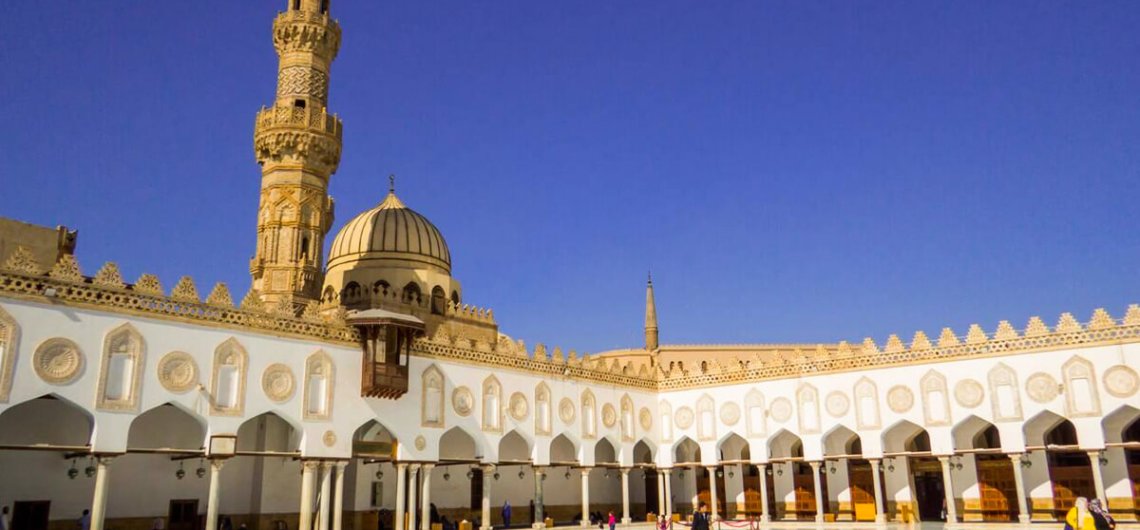
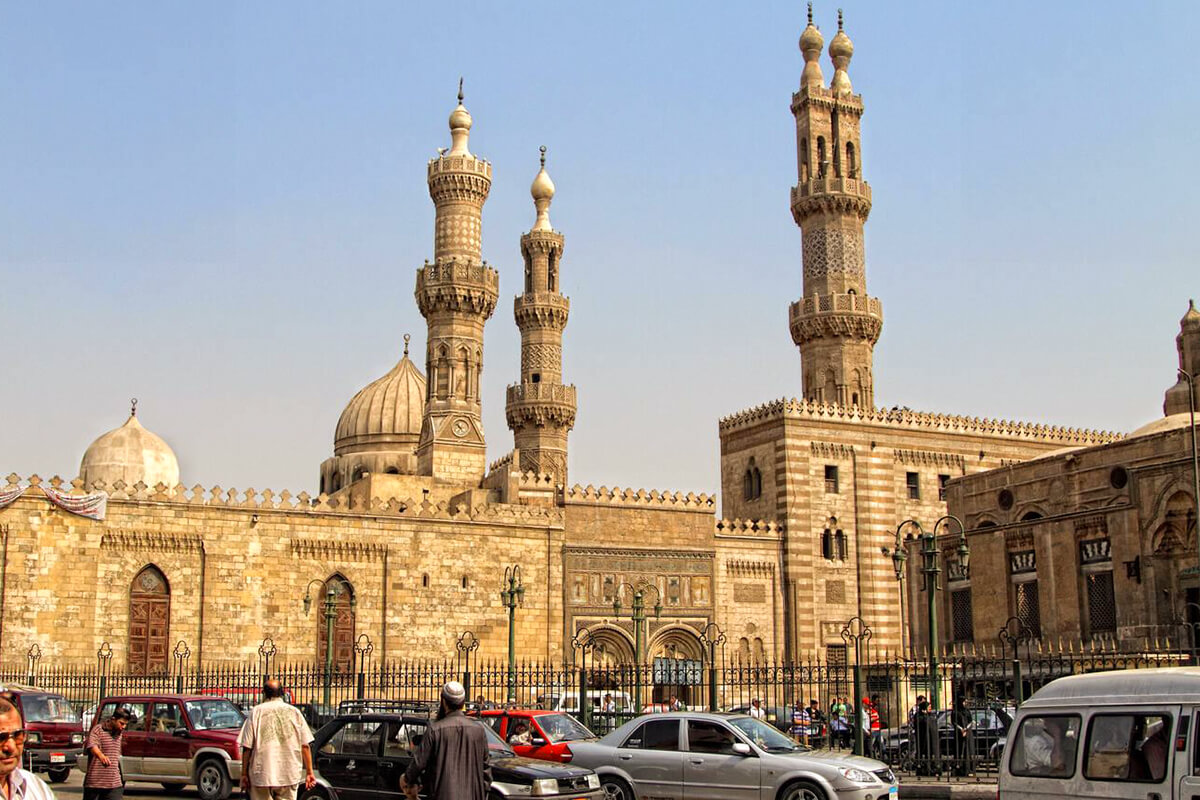
Al Azhar Mosque, located in the heart of Cairo, is one of the most important Islamic institutions in the world. Founded in 970 AD by the Fatimid Caliphate, Al Azhar Mosque has served as a center of learning and scholarship for Muslims around the globe ever since. It is widely regarded as one of the most prestigious institutions of Islamic education in the world, and its university is one of the oldest universities in the world.

The mosque’s history and architecture are a testament to the rich cultural heritage of Egypt. Visitors can witness the stunning example of Islamic architecture that has stood the test of time. The mosque features a series of domes and minarets decorated with intricate carvings and calligraphy, and its walls are adorned with colorful mosaics and patterns.

For Muslims, Al Azhar Mosque is a place of immense religious significance, serving as a center for Quranic studies, hadith, and Islamic jurisprudence and producing some of the most notable scholars in Islamic history. However, it is a place of religious significance and an important cultural and historical destination for travelers to Egypt.

History and Architecture

al azhar mosque
The building of Al Azhar Mosque in Cairo

Al Azhar Mosque has a rich and fascinating history that spans over a thousand years. The Fatimid Caliphate established it in 970 AD as a hub of learning and scholarship, and shortly after that, its university. The mosque quickly became one of the most prestigious institutions of Islamic education in the world, attracting students and scholars from across the Muslim world.

Over the centuries, the mosque has undergone numerous renovations and expansions, each leaving its mark on its architecture. The mosque’s current appearance results from a series of renovations carried out during the 14th, 15th, and 19th centuries.

The mosque’s architecture is a stunning example of Islamic design with its intricate patterns, calligraphy, and geometric shapes. The mosque features a series of domes and minarets, each decorated with intricate carvings and colorful mosaics. The central dome is one of the most impressive features of the mosque, rising to a height of 52 meters and decorated with blue tiles and gold leaf.

One of the most iconic features of the Al Azhar Mosque is its minarets, which are visible from afar and serve as a landmark for the city of Cairo. The mosque originally had three minarets, but a fourth was added during a renovation in the 19th century. Each minaret is decorated with intricate carvings and calligraphy and features a balcony from which the muezzin calls the faithful to prayer.

Over the centuries, the mosque has evolved to meet the needs of the Muslim community in Cairo. In addition to its role as a center of Islamic learning, the mosque has also served as a place of worship and gathering for the local community. Today, the mosque remains an essential symbol of Egypt’s cultural and religious heritage, attracting visitors worldwide.

Religious Significance

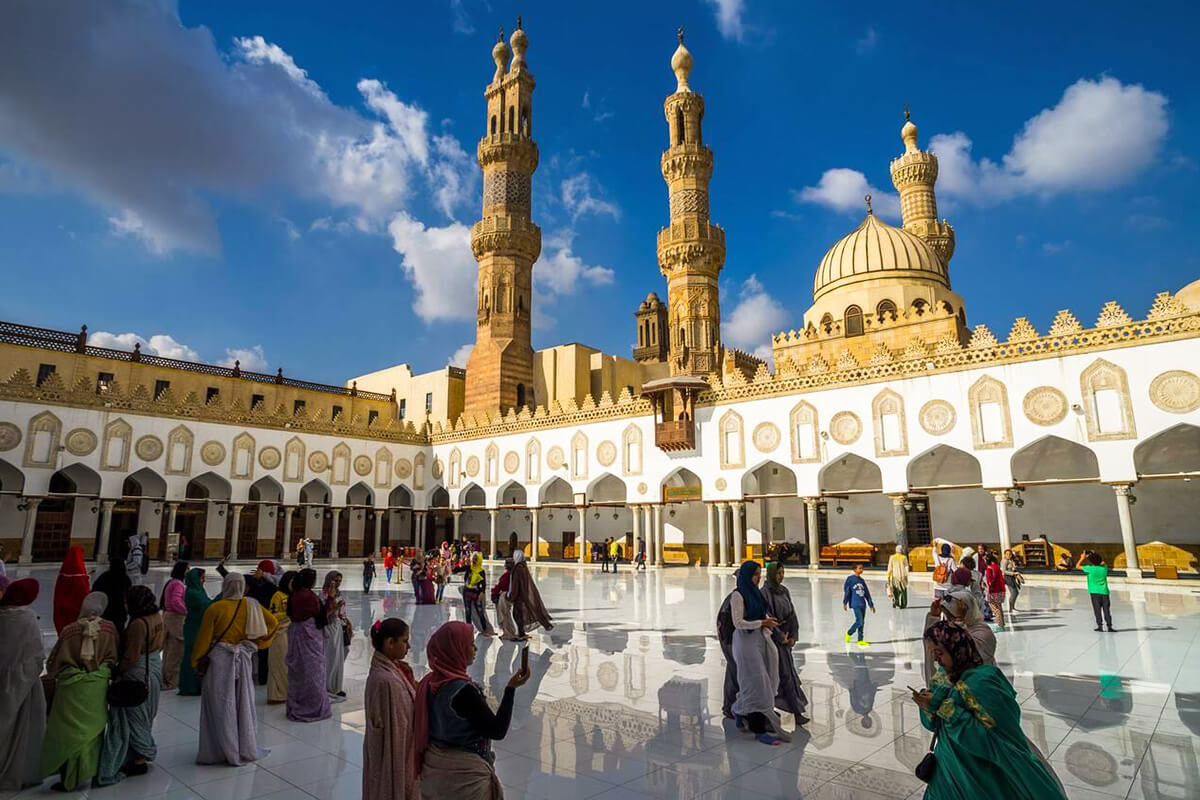
al azhar mosque
Travelers discover the architect of Al Azhar Mosque

Al Azhar Mosque has played a significant role in Islamic scholarship and learning since its inception over a thousand years ago. The mosque’s university is one of the world’s oldest and most prestigious universities, with a curriculum that includes Quranic studies, hadith, Islamic jurisprudence, and Arabic language and literature. Over the centuries, the mosque has produced some of the most notable scholars in Islamic history, and its teachings continue to influence Islamic scholarship.

In addition to its role as a center of Islamic learning, Al Azhar Mosque is also an essential place of worship for Muslims in Cairo. The mosque holds regular prayer services throughout the day, and its central location in the city makes it a convenient place for locals to gather for Friday prayers. During the holy month of Ramadan, the mosque is especially busy, with thousands of worshippers filling its halls and courtyard.

Visiting Al Azhar Mosque can be a fascinating and enlightening experience for non-Muslims. However, it is essential to respect the mosque’s customs and traditions. Visitors should dress modestly, with arms and legs covered, and remove their shoes before entering the mosque. It is also essential to be mindful of the mosque’s prayer times and avoid entering it during prayer services.

While non-Muslims are not permitted to enter the mosque’s prayer hall, they are welcome to explore its courtyards and surrounding areas. Visitors can also learn about the mosque’s significance by visiting the adjacent Al Azhar Park, which offers stunning views and provides information about its history and importance. By being respectful and mindful of the mosque’s customs and traditions, visitors can have a meaningful and educational experience at Al Azhar Mosque.

Cultural Context

Al Azhar Mosque is more than just a beautiful and historic site – it is also an essential symbol of Egypt’s rich and complex history and culture. Here are some critical cultural and historical contexts to keep in mind when visiting Al Azhar Mosque:

  1. Islamic History and Culture: As one of the world’s oldest and most important centers of Islamic learning, the Al Azhar Mosque has played a crucial role in shaping Islamic history and culture. Visitors can learn about the mosque’s importance in Islamic scholarship and explore its beautiful architecture and design.
  2. Egypt’s Political History: Al Azhar Mosque has also played a key role in Egypt’s political history, particularly during the 20th century. The mosque was a site of political protests and demonstrations during the 2011 Egyptian Revolution and continues to be a center of political and social activism today.
  3. Cultural Identity: Visiting Al Azhar Mosque can also provide valuable insights into Egypt’s cultural identity, particularly its complex religious and cultural history. For example, the mosque’s location in Islamic Cairo highlights the critical role that Islam has played in shaping Egyptian culture and identity.

Overall, visiting Al Azhar Mosque is integral to understanding Egypt’s rich and diverse cultural and historical heritage. By exploring the mosque’s history, architecture, and significance, visitors can gain a deeper appreciation for the country’s complex identity and the role that religion and culture have played in shaping it.

In conclusion, Al Azhar Mosque is a fascinating and historically significant site that is well worth a visit for anyone traveling to Egypt. With its rich history, beautiful architecture, and essential role in Islamic scholarship and political activism, the mosque offers a unique window into the country’s complex cultural and religious identity.

Some key takeaways from this article include the mosque’s historical and architectural significance, its role as a center of Islamic scholarship, and its place within the broader context of Egyptian culture and history. We have also provided practical information for visitors, including tips for navigating the mosque and recommendations for other nearby attractions.

We encourage all Egypt travelers to include Al Azhar Mosque in their itinerary and to take the time to explore this critical site in depth. Whether you are interested in history, religion, or culture, the mosque offers many opportunities for learning and exploration.

In the end, visiting Al Azhar Mosque is not just a chance to see a beautiful and historic site – it is also an opportunity to gain a deeper understanding of Egypt’s rich and diverse cultural heritage and to appreciate the role that religion and culture have played in shaping the country’s identity over time.

If you want to cruise through Nile River check out Egypt Nile River cruises

Don’t miss to check out our All-inclusive egypt vacation packages you can spend one day in egypt, check out in Egypt day tours